

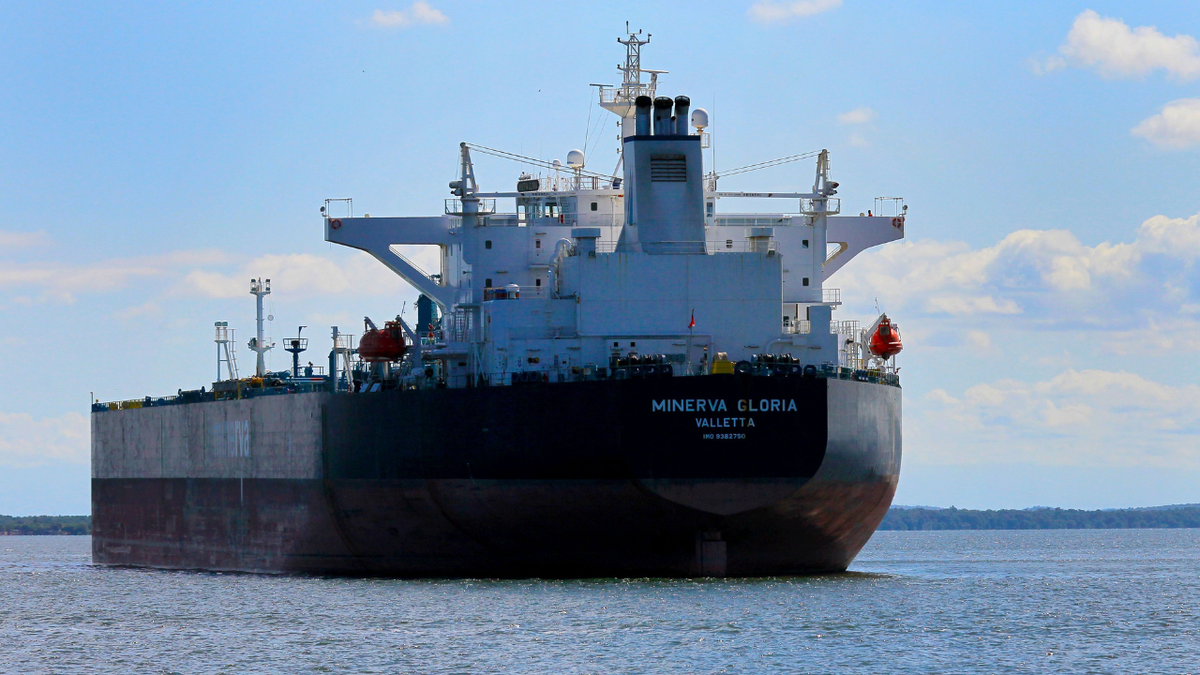


The United States government has filed for court warrants to seize dozens more oil tankers tied to the Venezuelan oil trade. This move is part of a wider effort by U.S. authorities to control oil shipments connected to Venezuela and enforce sanctions against that nation’s oil industry.
The step comes after recent U.S. actions to stop tankers carrying Venezuelan crude from operating freely. The U.S. military and Coast Guard have already seized several vessels in recent weeks that were either carrying Venezuelan oil or have done so in the past.
The government filings aim to secure warrants that allow law enforcement to take control of these ships and their oil cargoes. However, the exact number of warrants filed and how many have been granted is not publicly known because these legal filings and orders are kept secret.
Efforts to Seize Tankers and Oil Shipments
Officials say the U.S. has already taken action against at least five vessels in international waters. These ships were seized because they were under U.S. sanctions or had previously carried Venezuelan oil.
These seizures are part of a broader effort by the U.S. government, under President Donald Trump, to regain control over oil exports from Venezuela. Last December, U.S. authorities imposed a blockade that prevented many sanctioned tankers from loading or moving Venezuelan oil, bringing exports nearly to a halt.
Recently, some shipments have started again under U.S. supervision, with authorities closely monitoring the oil leaving Venezuela.
Many of the tankers being targeted are part of a so‑called “shadow fleet.” These are unregulated ships that often try to hide their origins and ownership. They are used to move oil from countries under sanctions, including Venezuela, Iran, and Russia.
These shadow fleet ships sometimes disguise their identity by changing flags or turning off tracking systems so that authorities cannot easily follow them at sea. U.S. authorities say these vessels are not cooperating with U.S. rules and are helping sanctioned countries get around economic penalties. The warrants being sought would give the government legal authority to seize these tankers and their cargoes.
Legal Actions and Suspended Seizures
To seize the tankers, the U.S. government has filed civil forfeiture actions in federal courts, mostly in Washington, D.C. These legal cases must be approved by judges before warrants to seize ships can be executed.
The Department of Justice, led by Attorney General Pam Bondi, has not publicly commented on these filings. Because the legal documents are not available, nobody outside the government knows how many warrants have been filed or approved so far.
After years of default, Venezuela’s $60bn bond crisis edges toward negotiations
Officials familiar with the matter say there are dozens of warrants being pursued, which would allow U.S. agents to take control of many more tankers linked to Venezuelan oil shipments.
However, sources report that seizure actions have been paused since last Friday. This does not mean the efforts are over. U.S. agencies, including the Department of Defense, may continue to target vessels and cargoes they consider unauthorized. Pentagon spokesperson Sean Parnell said U.S. forces would “hunt down and interdict all dark fleet vessels transporting Venezuelan oil at the time and place of our choosing.”
In recent actions, U.S. authorities have not only seized oil cargo but also entire vessels, which marks a shift from past practices where only oil was confiscated. Among the vessels already taken was a Russian-flagged tanker, the first time in recent memory that the U.S. military has seized such a ship.
Russia, which also relies on shadow fleet vessels to move oil under sanctions, has criticized the seizures. Officials described the actions as an “illegal use of force”, saying that U.S. sanctions have no legal foundation.