
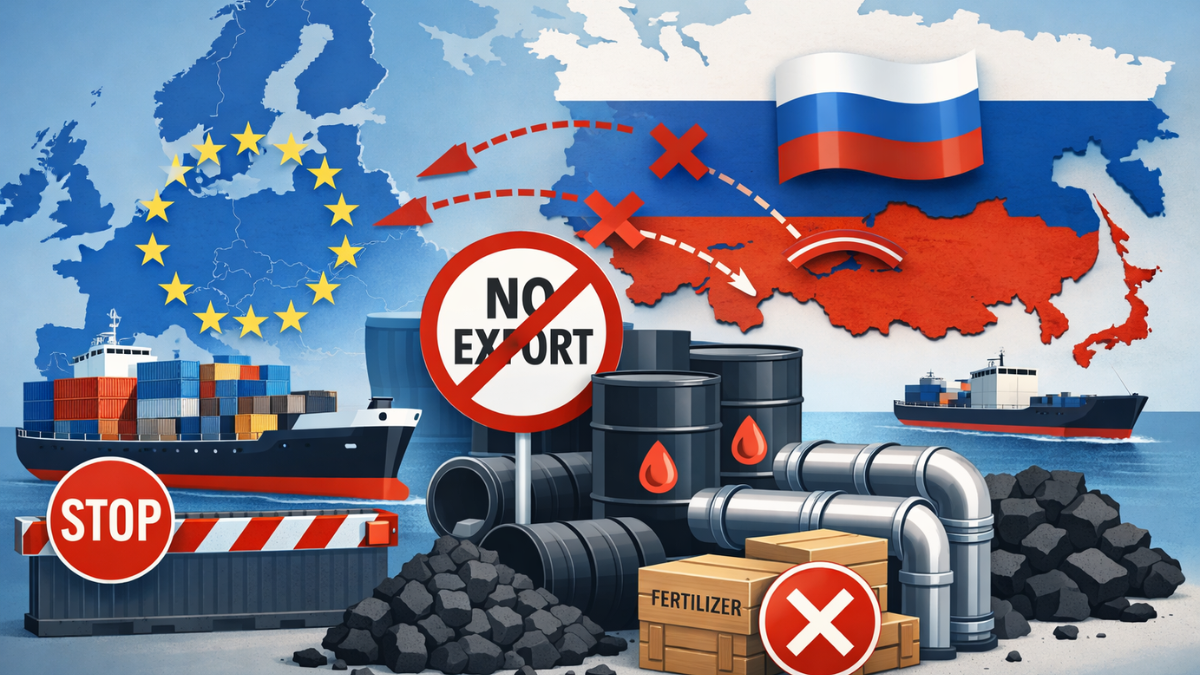


Finland and Sweden are pushing for stronger economic sanctions on Russia in response to the ongoing war in Ukraine. The two Nordic countries want the European Union to adopt tougher measures, including higher import taxes, stricter export restrictions, and a full ban on Russian energy shipments.
The proposals were shared during the Rikskonferensen security conference in Sweden, a three-day event that brings together political leaders, experts, and international participants to discuss security policy and global challenges.
New Measures to Pressure Russia
The sanctions proposals aim to significantly weaken Russia’s economy and reduce its ability to fund the war in Ukraine. Finnish Foreign Minister Elina Valtonen highlighted that the Russian threat is long-term, and Europe must continue pressure regardless of any potential ceasefire or peace agreement.
Valtonen said that Finland and Sweden have proposed raising customs duties on all products and services imported from Russia. This would make Russian goods more expensive in Europe, discouraging imports and reducing revenue for Russia.
Telegram faces fallout from Russia sanctions as $500 million in bonds remain frozen
The proposals also include export restrictions to Russia, particularly on luxury goods. By limiting what can be sold to Russia, the flow of money to its economy would be further reduced, putting more pressure on the government to reconsider its war policies.
Swedish Foreign Minister Maria Malmer Stenergard emphasized that Russia relies heavily on energy revenues to fund its military actions in Ukraine. She proposed a complete ban on ships transporting oil, gas, or coal from Russian ports to EU ports. Cutting off energy exports is seen as a direct way to hit Russia’s financial resources and hinder its ability to continue the war.
Fertilizer and Other Key Goods Targeted
The proposals also target fertilizer imports from Russia, which make up a significant portion of EU supply. Malmer Stenergard noted that banning Russian fertilizers could cause a loss of about €1.4 billion ($1.6 billion) for the Russian economy.
500% tariffs loom as U.S. targets countries still buying Russian oil and uranium
Both ministers stressed the importance of reducing EU dependence on Russian goods. They suggested that Europe could increase domestic production and look for alternative imports from other countries to replace Russian fertilizers. This would allow EU countries to maintain supplies while reducing reliance on Russia.
The aim of these measures is not only to hit Russia economically but also to strengthen Europe’s independence in key sectors like energy and agriculture.
Conference Highlights and EU Consideration
The proposals were announced at the Rikskonferensen security conference, a major event that gathers leaders and experts to discuss security and international policy issues. Finland and Sweden used this platform to present their ideas to the international community and advocate for a unified European approach.
Russian-flagged tanker carrying Venezuelan oil seized by U.S. after refusal to allow boarding
Both Elina Valtonen and Maria Malmer Stenergard emphasized that pressure on Russia must continue regardless of any temporary peace or ceasefire agreements. They said that the proposed measures aim to weaken Russia’s ability to finance its war in Ukraine and reduce the EU’s economic dependence on Russian imports.
The proposals are expected to be considered for the next EU sanctions package. If approved, they would expand existing sanctions by adding higher import duties, export restrictions, bans on energy shipments, and limits on fertilizers and luxury goods from Russia.
Finland and Sweden’s push for stronger economic sanctions demonstrates a coordinated effort to restrict Russia’s financial resources. By targeting energy, fertilizers, and luxury products, the two countries hope to make it harder for Russia to continue the war in Ukraine. The European Union is now expected to review these proposals as part of its ongoing sanctions strategy.