

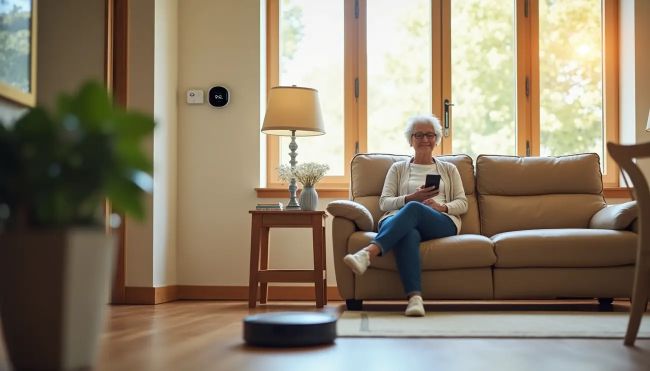


The Shift Toward Independent, Supportive Living
Across the United States, more seniors are choosing to remain at home rather than move into assisted living, reshaping the entire home safety market. Analysts tracking aging-in-place trends show a steady rise in adoption of supportive products, reflecting a cultural and economic shift toward independence. The percentage of seniors choosing to age in place has climbed consistently, reaching nearly eighty percent by 2025, a clear sign that many older adults value familiarity, emotional grounding, and financial practicality.
This movement has changed how families look at home environments. In fact, some of the most interesting ideas come from commercial design. Premium quality chairs for the elderly in USA, long valued for their stability, durability, and supportive ergonomics, has influenced what families now look for in home seating.
When people see how these pieces help seniors sit and stand with greater ease in public settings, they begin to rethink what comfort should look like in the home as well. Minor adjustments that once felt optional, such as soft lighting, intuitive layouts, and supportive seating, now play a measurable role in long-term well-being. Even subtle barriers, such as slippery flooring or dim hallways, can impact daily confidence. As a result, home upgrades designed specifically for safety have become essential rather than decorative.
Key motivations include:
- Strong desire for autonomy
- Emotional attachment to long-standing routines
- Rising costs of assisted living facilities
- Broader availability of safety-focused products
Essential Safety Products: Reducing Daily Risk
Preventing falls remains the highest priority for seniors and caregivers in 2025. Fall-related injuries continue to be one of the top causes of emergency department visits among adults over 65, making prevention-focused products increasingly valuable. Manufacturers now design safety tools that blend into home aesthetics rather than look clinical, encouraging families to adopt them earlier and more confidently.
Some of the most widely adopted safety additions include:
- Grab bars with textured, slip-resistant surfaces that match modern décor
- Motion-activated night lights that automatically illuminate hallways.
- Non-slip flooring treatments that nearly eliminate sliding risks
- Elevated toilet seats and reinforced shower benches for joint support
These upgrades reduce physical strain and make routine tasks more manageable. Many families install these products not because of a significant incident, but because the data clearly shows that preventive design reduces long-term health risks.
Comfort Focused Products Supporting Daily Life
Comfort has become a central measure of safety for seniors living at home. Designers now study how posture, shifting weight, and prolonged sitting influence physical strain, and this research influences products aimed at preserving mobility.
A notable trend comes from the influence of commercial seating. Restaurant furniture, long valued for its durability and ergonomic support, has inspired a new generation of commercial-quality chairs built with higher seat heights, reinforced frames, and supportive backrests. These design choices help seniors sit and stand more confidently, turning meals and social visits into moments of ease rather than physical effort.
Other comfort-enhancing products gaining popularity include:
- Adjustable beds that improve circulation and reduce swelling
- Pressure-relief mattresses are designed for longer rest periods.
- Automatic jar openers and reacher tools for more manageable household tasks
- Lightweight cordless vacuums that reduce heavy lifting
Together, these tools make daily routines smoother and help seniors remain active inside their homes.
Smart Home Systems Enhancing Safety and Ease
Technology has become one of the most helpful tools for aging in place. Smart home systems now offer discreet layers of support without interrupting daily life or compromising independence. Families increasingly lean on these tools for real-time awareness and peace of mind.
Common additions include:
- Voice-activated devices for lighting, reminders, and communication
- Motion sensors that notify caregivers about unusual patterns
- Smart locks offering secure and simplified access
- Automated thermostats that maintain safe temperature ranges
These systems work quietly in the background, helping prevent emergencies while allowing seniors to stay in control of their routines. The combination of environmental monitoring and automation creates a safer, more predictable living environment.
Household Upgrades Improving Mobility and Flow
Mobility remains a core challenge as people age, and 2025 has seen increased investment in products that smooth movement paths through the home. Many issues arise not from significant hazards but from everyday transitions between rooms, narrow walkways, or uneven thresholds.
To address these challenges, families often install:
- Threshold ramps that bridge minor height differences
- Hallway handrails for balanced support
- Doorway extenders for easier walker and wheelchair passage
- Lift recliners that assist with standing and reduce joint pressure.
- Rolling kitchen carts that eliminate the need to carry heavier items
These mobility upgrades fit naturally into a home’s layout and reduce the likelihood of strain or falls. The broader home safety market supporting these products continues to expand, with industry analyses showing consistent year-over-year growth. Market size has climbed from just over three billion dollars in 2021 to an estimated four and a half billion by 2025, highlighting how essential these tools have become.
A Closing Look at the Future of Senior Comfort
The home is becoming a more adaptive environment for seniors, shaped by products that prioritize dignity, independence, and emotional comfort. From slip-resistant floors to supportive seating and smart home sensors, each upgrade reflects a deeper understanding of how daily routines shape well-being.
As technology advances and design becomes more intuitive, seniors gain more confidence in their ability to stay independent. Even minor improvements, such as automated lighting or a better-fitting chair, can transform everyday tasks into moments of ease rather than strain.
The evolution of home safety products in 2025 points toward a future where seniors can thrive in the spaces they love, supported by thoughtful design, intelligent tools, and environments created with long-term comfort in mind.