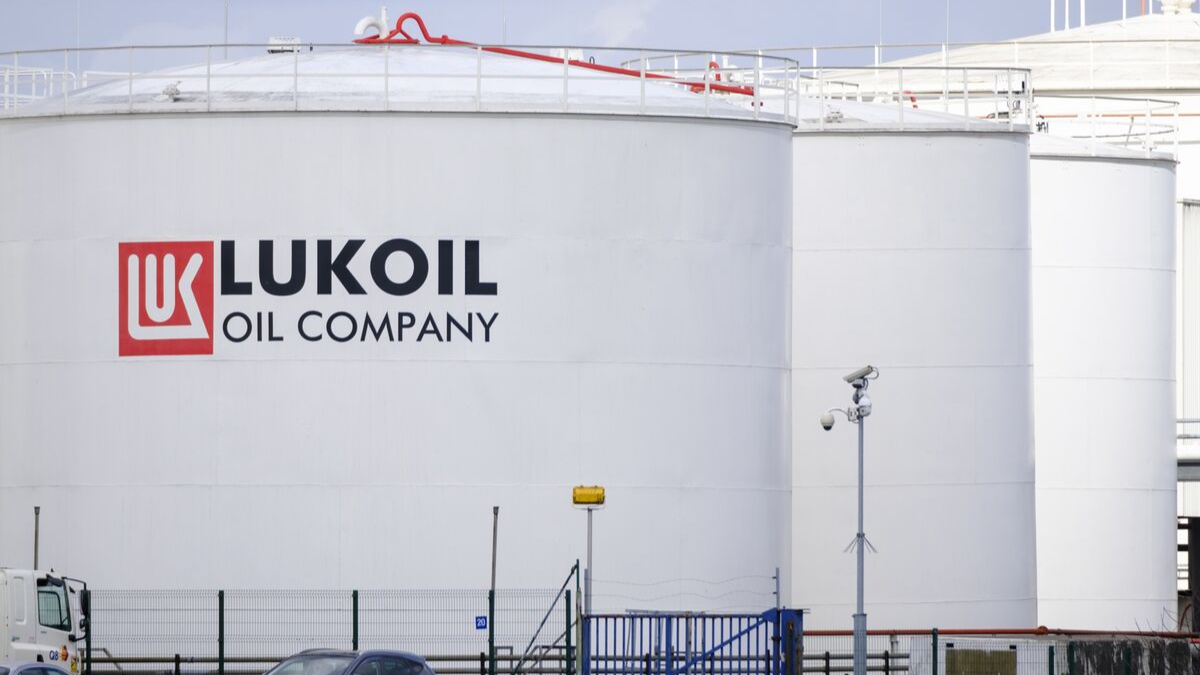


Romania has decided to place the Lukoil-owned Petrotel refinery under special supervision while the company works on transferring its ownership. This move comes as the Russian group Lukoil faces international sanctions after being identified by the United States as an entity linked to the Russian state. Because of these sanctions, Lukoil has been seeking buyers for its international assets, including the refinery in Romania.
To handle this situation, the Romanian government approved an emergency ordinance. This ordinance does not place the refinery under state control and does not involve the government taking over management. Instead, it creates a system where the state can supervise the refinery’s operations while allowing normal activity to continue. The supervision ensures that the refinery follows all rules connected to the sanctions and functions safely during the transition period.
The government clarified that the measure aims to prevent disruptions in the energy sector while respecting international restrictions. The Petrotel refinery remains fully operational, and its management stays in place, but Romanian authorities will oversee actions that could be affected by the sanctions.
How Romania’s New “Special Supervision” Tool Works
The emergency ordinance introduces a mechanism called special supervision, which can be applied to any Romanian company affected by international sanctions. According to statements from Romanian foreign minister Oana Țoiu, the measure is designed to protect the national economy, especially when key industries face risks caused by sanctions from other countries.
Under this new mechanism, the government can appoint a supervisor who works alongside the company. This supervisor helps ensure that the firm respects all regulations and that its operations do not violate sanctions. The measure can be proposed by the ministry responsible for that sector, and it requires the approval of Romania’s Supreme Council for National Defence (CSAT). This shows that Romania considers the situation important for both economic and security reasons.
Special supervision can be launched at the company’s request or by the government on its own. It can also be canceled when the reasons for applying it no longer exist. The ordinance explains that this tool is meant for situations where international sanctions could affect the economy or essential sectors that Romania depends on.
The government describes this system as an “extended supervision” method. It gives authorities the ability to step in when needed, without taking over a company or interrupting its normal business operations. This helps Romania follow international rules while keeping major businesses stable.
US treasury strikes Kremlin’s money lifeline — Rosneft and Lukoil hit hard as oil prices plunge
Other Lukoil Assets in Romania Also Facing Changes
Lukoil owns more than just the Petrotel refinery in Romania. The company also holds the Trident offshore perimeter, which may be affected by upcoming changes in the Oil Law. Under proposed amendments, Romania could cancel the licenses of companies that come under international sanctions. If these amendments become law, Lukoil’s offshore license may be withdrawn.
Additionally, Lukoil operates a network of filling stations in Romania. Romanian foreign minister Oana Țoiu confirmed that these stations are allowed to operate until April 2026. This permission was granted by the US Treasury Department, which announced on December 4 that Lukoil could continue running gas stations under its own name in Romania and other countries until April 29 of that year. However, revenues from these stations cannot be transferred to Russia. This ensures that fuel supplies remain stable while preventing sanctioned funds from moving.
These steps show how Romania is managing its energy sector under the restrictions caused by international sanctions, using legal tools to keep operations stable as Lukoil seeks new owners for its assets.