

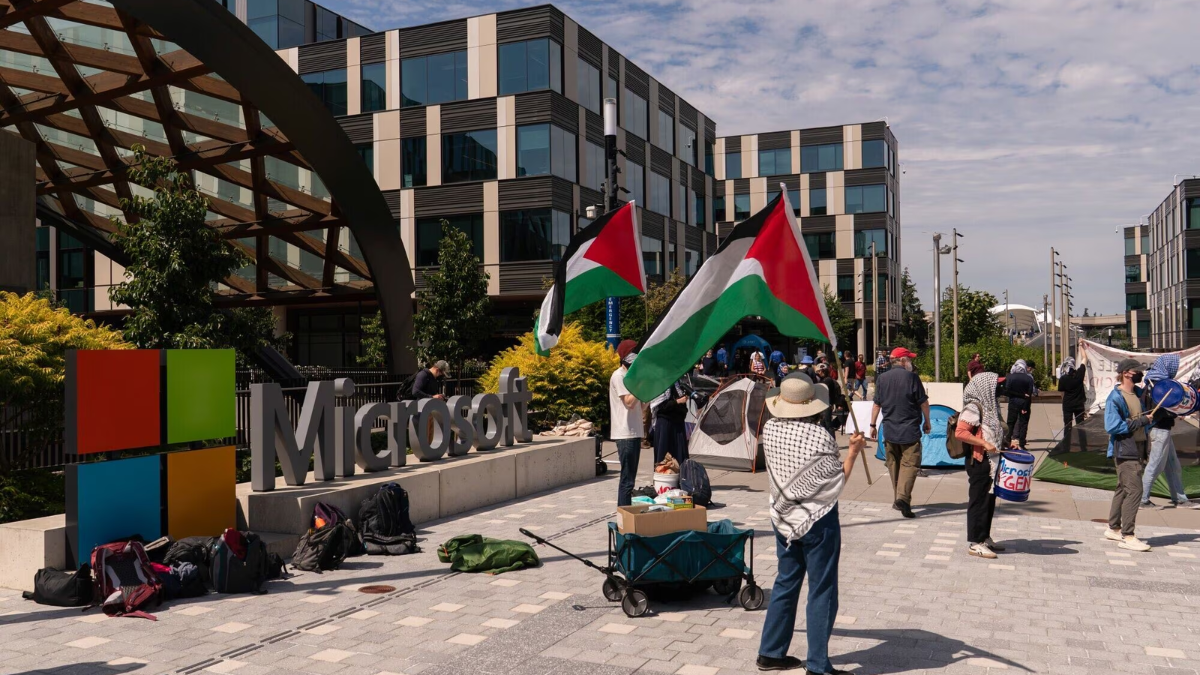


Norway’s massive sovereign wealth fund, one of the world’s most influential investors, is increasing pressure on Microsoft over concerns about the company’s involvement in the war in Gaza. The fund, worth nearly two trillion dollars, owns more than one per cent of Microsoft’s shares, giving it significant influence.
The fund says it supports a key shareholder proposal calling on Microsoft to publish a detailed report on human rights risks linked to its work in conflict areas. The proposal focuses on places where military actions have caused widespread civilian harm, including the Gaza Strip, which has faced heavy attacks for more than a year.
Reports suggest Microsoft’s cloud services, software tools and artificial intelligence systems may have been used during military operations in Gaza and the occupied West Bank. Because of these claims, the Norwegian fund wants Microsoft to explain how it monitors the human rights impact of its technology.
Concerns grow over technology used in conflict zones
Microsoft has invested in several Israeli technology companies working on facial recognition, cybersecurity and intelligence tools, some founded by people with military technology backgrounds. These links have raised questions about whether Microsoft has strong enough safeguards to prevent misuse in conflict zones.
One earlier investment involved a company known for facial recognition systems used in occupied areas, which rights groups say can enable tracking and targeting of civilians. Microsoft has also bought multiple Israeli tech firms over the years, many with tools originally connected to military units.
These connections concern Norway’s wealth fund. As a major shareholder, it says Microsoft must closely examine how its tools are used and tighten oversight wherever there is a risk of contributing to violence or rights abuses.
The fund’s concerns come as global attention remains on the high civilian death toll in Gaza. Since late 2023, tens of thousands of people—many of them women and children—have been killed, raising wider questions about whether companies supplying technology to the region are doing enough to prevent misuse.
Belgium supports peace deal in Gaza while maintaining sanctions on Israel
Norway’s fund takes a tough stance on governance
The Norwegian wealth fund has also announced it will vote against Microsoft’s current board chair, who also serves as chief executive. It says leadership at major tech companies must show stronger responsibility when their products are linked to conflict situations.
The fund also plans to oppose the executive’s compensation package, arguing that pay must reflect not only financial performance but also social and environmental impact. The fund has a history of challenging executive pay and previously voted against a major package at a leading electric car company.
Known for its ethical guidelines, the fund regularly excludes companies involved in human rights abuses, war-related activities, corruption or environmental harm. It has already sold shares in several companies tied to Israeli military operations, based on advice from its ethics council. Its stance on Microsoft follows this pattern of stricter standards.
Because the fund’s stake in Microsoft is worth around fifty billion dollars, its decisions carry weight and often influence other investors. This adds pressure on Microsoft’s leadership to review its human rights safeguards and disclosures.
Growing global attention on tech company responsibility
The debate comes as people worldwide examine how technology companies operate, especially in conflict zones. Tools like artificial intelligence and cloud computing can support military operations, raising concerns about civilian harm.
Cloud systems process large amounts of data. Facial recognition technology can identify people in real time. When used in sensitive regions, these tools can have serious consequences. This is why investors, rights groups and policy experts are calling for more transparency.
For Microsoft, these issues are now central to a major shareholder discussion. Norway’s wealth fund wants the company to publish a clear report showing how it checks human rights risks and whether its safeguards work in conflict areas.
Its position reflects a wider call for accountability, as technology continues to play a major role in global conflicts.