

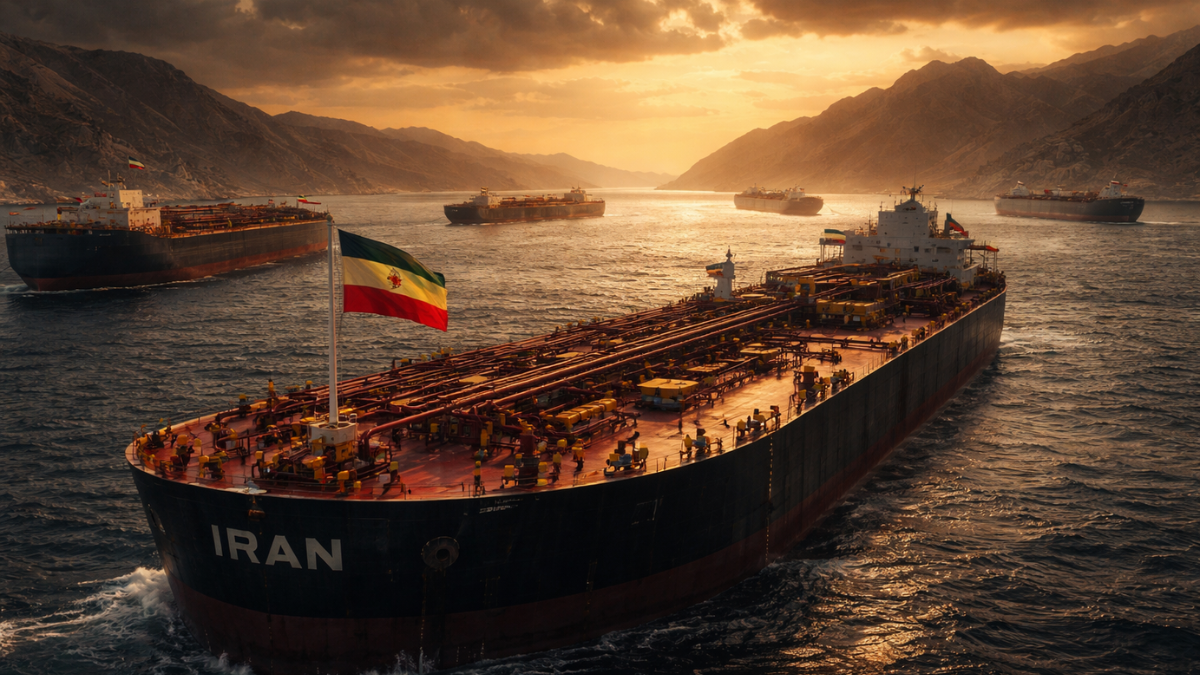


The United States is considering a major and unexpected step to deal with rising oil prices. Officials, including Scott Bessent, have indicated that sanctions on Iranian oil currently stuck in tankers at sea may soon be temporarily lifted. This oil, estimated at around 140 million barrels, has been unable to enter the global market due to strict restrictions.
This development comes at a time when oil prices have surged above $100 per barrel. The rise in prices is linked to growing tensions in the Middle East. A key reason behind this spike is the closure of an important global shipping route, which has disrupted the smooth flow of oil across the world.
The oil stranded at sea was mostly being sent to China. However, due to sanctions, it cannot be legally sold or delivered. Now, the US is exploring ways to allow this Iranian oil to be sold for a limited period. The goal is to quickly increase supply and bring down prices.
This step is seen as a short-term solution. The focus is on easing pressure on global oil markets, which are currently facing a shortage due to supply disruptions.
Gulf countries face economic strain as Iran war disrupts energy and travel
Plan to Release Stranded Oil Into Global Markets
According to the plan under discussion, Scott Bessent has suggested that the US may introduce a temporary waiver. This waiver would allow the sale of Iranian oil that is already on tankers. It would only apply to oil that is currently stranded and not to new production.
Such a move could help redirect oil that was originally meant for China into the broader global market. This would increase supply and help reduce the pressure on prices. The measure would likely be limited in time, ensuring that it remains a controlled and temporary action.
The approach is not entirely new. A similar step was taken earlier involving Russian oil that was also stuck at sea due to sanctions. In that case, around 130 million barrels were released into global supply, helping stabilize the market for a short period.
In addition to this, the US is also considering releasing oil from its emergency reserves. This reserve is maintained to deal with supply crises. A coordinated release has already taken place recently, involving several major economies, adding a large volume of oil into the market.
Officials have clarified that the focus is on increasing the physical supply of oil. There are no plans to interfere in financial markets such as oil futures trading. The aim is to directly address the shortage of available oil, which is estimated to be between 10 to 14 million barrels per day due to the shipping disruptions.
Australia backs EU sanctions targeting cyber attacks linked to Chinese and Iranian entities
Concerns Raised Over Impact and Risks
While the plan may help lower oil prices in the short term, it has raised serious concerns among experts. Some believe that allowing the sale of Iranian oil, even temporarily, could have unintended consequences.
One major concern is that Iran would benefit financially from these sales. The revenue generated from selling oil could strengthen its economy and support its activities. Critics argue that this goes against the purpose of sanctions, which are meant to limit financial resources.
There are also doubts about how effective this measure will be in the long run. Experts suggest that while it may provide temporary relief, it does not solve the underlying issues affecting global oil supply. Once the stranded oil is sold, the market could face the same challenges again if disruptions continue.
Another concern is that this move might send mixed signals about sanctions policy. Allowing restricted oil to be sold, even for a short period, could weaken the overall impact of such measures.
Despite these concerns, the plan is being considered as a quick response to an urgent problem. With oil prices remaining high and supply routes disrupted, governments are looking for immediate ways to stabilize the situation.
The proposal highlights the complex balance between economic needs and geopolitical strategies. It shows how global energy markets can be affected by sudden events and how countries may take unusual steps to manage such challenges.