

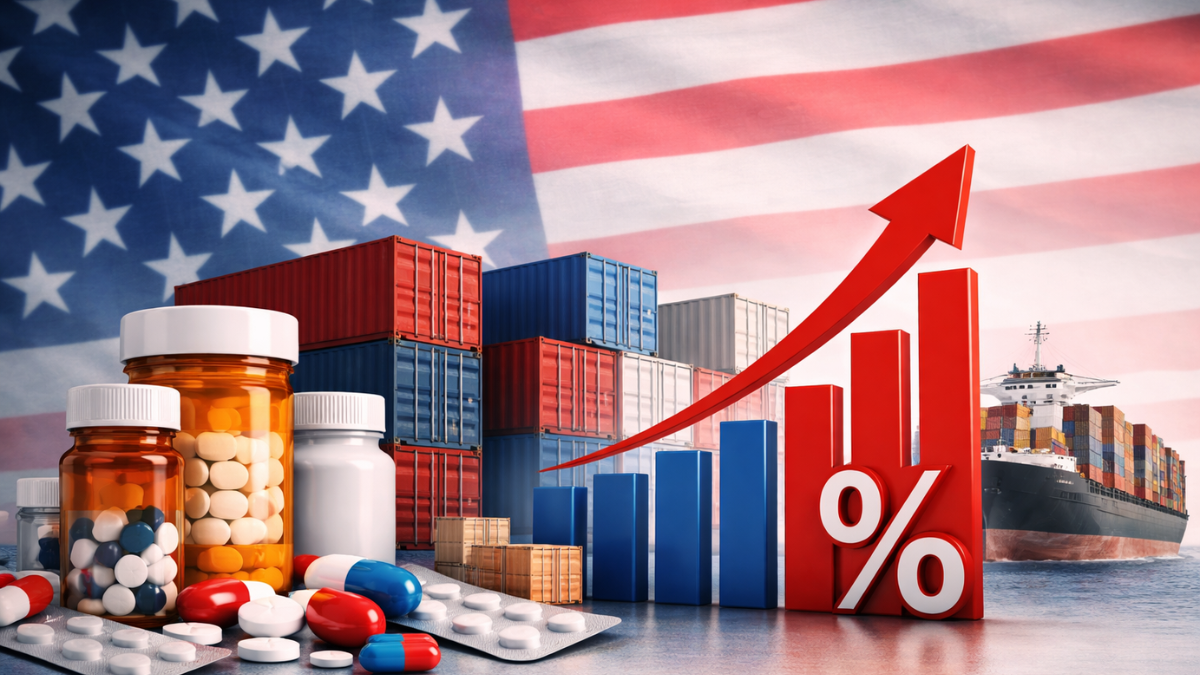


The Trump administration is preparing to introduce new tariffs on certain drugmakers, according to a report published on Wednesday. The plan could be announced as early as Thursday. It focuses on pharmaceutical companies that have not agreed to lower their medicine prices in the United States.
The report says that the administration is considering imposing tariffs of up to 100% on imported branded and patented medicines. These are usually the more expensive drugs that are protected by patents and sold under brand names. Such a high tariff could double the cost of these medicines when they enter the U.S. market.
The main aim of this move is to pressure drugmakers into offering lower prices to American consumers. The United States has long faced criticism for having some of the highest drug prices in the world. By using tariffs, the administration is trying to push companies to make changes.
The White House has not officially commented on the report yet. This means that the plan is not final and could still be changed before any announcement is made.
China launches two investigations into US trade practices after tariff probes
Companies Respond with Deals and Investments
Several major pharmaceutical companies have already taken steps to avoid these potential tariffs. Companies such as Pfizer and AstraZeneca have secured multi-year exemptions from tariffs. They achieved this by agreeing to pricing deals and joining a new platform called TrumpRx.gov.
At the same time, other large drugmakers like Eli Lilly, Johnson & Johnson, and Merck have pledged to spend billions of dollars to expand their manufacturing operations within the United States. By increasing local production, these companies aim to reduce their dependence on imports and avoid being affected by tariffs.
The report suggests that companies that have neither made agreements nor entered negotiations with the administration could face the full impact of the tariffs. This could place them at a significant disadvantage compared to competitors who have already taken action.
In response to the possibility of tariffs, some global drugmakers have also started stockpiling medicines in the United States. This means they are building up extra supplies in advance, in case importing drugs becomes more expensive or difficult in the future.
Brazil reduces tariffs on 191 capital and technology goods amid supply concerns
Uncertainty Remains as Policy Details Are Not Final
Although the plan is being prepared, it is still not set in stone. The report clearly states that the details could change. This includes the level of tariffs, the list of affected medicines, and the companies that may receive exemptions.
There is also a possibility that certain medicines or disease categories could be excluded from the tariffs. This could be done to ensure that patients continue to have access to important treatments without sudden price increases or shortages.
The administration has been reviewing different options for some time. The idea of a 100% tariff has already caused concern among global pharmaceutical companies. It has also led to quick reactions, including increased investments and negotiations.
For now, companies are closely watching for any official announcement. The uncertainty has created a situation where businesses must prepare for multiple outcomes while waiting for final decisions.
The report highlights that the tariffs would mainly apply to companies that have not taken steps to align with the administration’s pricing expectations. This makes the policy not just a trade measure, but also a tool to influence pricing behavior in the healthcare sector.
As of now, no official confirmation has been provided, and the full details remain unclear. However, the possibility of such high tariffs has already begun to shape decisions across the pharmaceutical industry.