



In response to Russia’s recent veto of a UN Security Council resolution aimed at extending the mandate of a panel monitoring sanctions against North Korea, South Korea has taken a decisive step by imposing sanctions on Russian entities and individuals involved in facilitating North Korea’s illicit dispatch of IT workers. This move signifies a significant escalation in efforts to curb Pyongyang’s evasion of international sanctions, particularly amidst growing concerns over North Korea’s nuclear ambitions and its strengthening partnership with Russia.
The South Korean government has identified and targeted a network of Russian entities and individuals accused of supporting North Korea’s illegal deployment of IT professionals. This action aims to disrupt a crucial revenue stream for Pyongyang, which is believed to use funds generated from these workers to finance its nuclear and missile programs. The sanctions include asset freezes and travel bans, effectively isolating these entities and individuals from the global financial system.
The international community is closely monitoring these developments, particularly in light of the broader implications for global security. The United States has expressed significant concern over Russia’s veto, viewing it as a clear sign of Russia’s intention to deepen its cooperation with Pyongyang, potentially in exchange for North Korean support in the conflict in Ukraine. This alignment between Russia and North Korea poses challenges to the enforcement of international sanctions and efforts to curb North Korea’s nuclear ambitions.
South Korea’s decision to impose sanctions highlights the complexities of international relations in dealing with North Korea’s nuclear threat. It also raises questions about the effectiveness of international sanctions regimes and the challenges posed by North Korea’s alliances with countries like Russia.
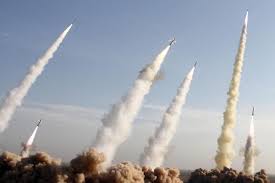
North Korea launched a suspected intermediate-range ballistic missile into the sea off its east coast on Tuesday, April 2, according to South Korea’s military. The action prompted swift criticism from Japan’s prime minister.
As Seoul takes a firm stance against entities aiding North Korea’s sanction evasion, the global community remains vigilant, recognizing the importance of maintaining regional security and upholding international norms in the face of evolving geopolitical dynamics.
South Korea has imposed sanctions on two Russian ships and several individuals and companies allegedly involved in North Korea’s arms trade and deployment of overseas information technology workers. The move comes as a response to Russia’s alleged cooperation with North Korea, especially in military matters, which violates U.N. Security Council resolutions.
The sanctioned Russian vessels, Lady R and Angara, were previously blacklisted by the U.S. for their involvement in facilitating weapons trade between Moscow and Pyongyang. Despite these sanctions, the vessels remain active in North Korean and Russian waters, highlighting the challenges of enforcing maritime sanctions.
In addition to the ships, South Korea also imposed sanctions on Russian firms Intellekt LLC and Sodeistvie, as well as their respective heads, for their alleged roles in sending North Korean workers abroad to earn foreign currency for Pyongyang’s nuclear and missile development. These actions demonstrate South Korea’s commitment to enforcing sanctions against North Korea and its supporters, even at the cost of business interests in Russia.