

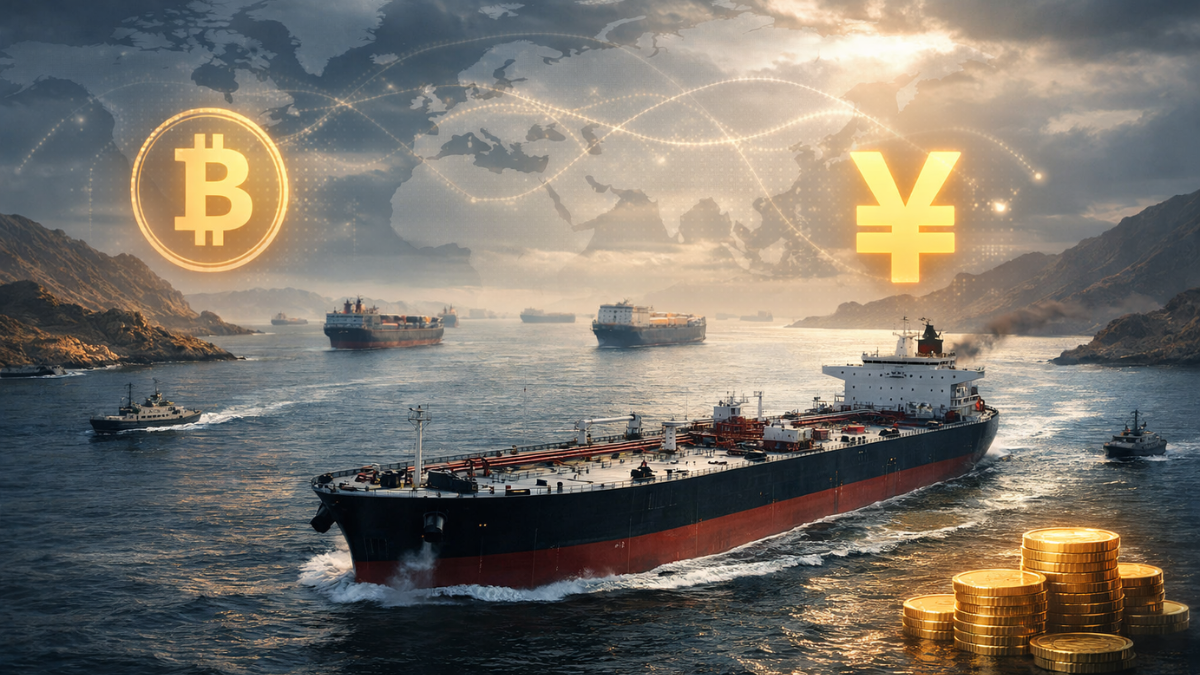


A major shift is taking place in the Strait of Hormuz, one of the most important shipping routes in the world. This narrow waterway connects the Persian Gulf to the open ocean and is used to transport a large share of global oil and gas.
After weeks of conflict in the region, including missile and drone activity, many ships have been left waiting in nearby waters due to safety concerns. The situation has created fear among shipping companies and crews.
Iran has now started controlling how ships move through the strait. A military-linked system is being used to manage which vessels are allowed to pass. Ships must follow a new process before entering the route.
Ship operators are required to contact an intermediary company connected to Iranian authorities. They must provide detailed information about their vessel. This includes ownership details, cargo type, destination, crew list, and tracking data.
This information is reviewed before any permission is given. Ships that pass the checks are allowed to continue. They receive a special permit code and route instructions to travel safely through the strait.
Some ships are also guided by naval escorts. These escorts help them move along a specific path close to the coastline, which is now informally being described as a controlled passage zone.
Suspicious oil and stock trades before Iran post raise corruption concerns
Payments in Cryptocurrency and Chinese Yuan
One of the most notable changes in this system is the method of payment. Instead of using traditional currencies, Iran is reportedly asking ships to pay in Chinese yuan or cryptocurrency.
These payments act as a toll fee for safe passage. The reported rate is about $1 per barrel of oil. Large oil tankers, known as very large crude carriers, can carry up to 2 million barrels. This means a single transit can cost around $2 million.
Cryptocurrency payments are often made using stablecoins. These are digital currencies that are linked to the value of real-world money. They allow payments to be made without using standard banking systems.
The use of yuan and cryptocurrency is seen as a way to work around financial restrictions. Iran faces international sanctions that limit its access to global financial networks. These alternative payment methods make it easier to complete transactions.
In some cases, ships are also asked to change their registration or sail under the flag of a country considered friendly. There have been offers made to allow ships to pass safely if they temporarily adopt a different national identity.
Once payment is made and approval is granted, ships receive a code. This code must be shared over radio as they approach the strait. They are then guided along the approved route.
Houthis issue warning over Red Sea use as US–Israel tensions with Iran grow
Safety Risks, Legal Questions, and Shipping Disruptions
The situation has raised serious concerns in the shipping industry. Several vessels in the region have been hit by drones or other projectiles. This has increased the risk for ships and their crews.
Insurance costs for passing through the strait have risen sharply. Many shipping companies are unsure whether to take the risk. Some vessels have remained anchored for long periods, waiting for safer conditions.
There are also legal concerns. International rules usually allow ships to pass freely through important waterways like the Strait of Hormuz. Charging tolls in this way is widely seen as unclear under global law.
Iran has stated that its actions are part of its right to self-defense. It has said that ships from non-hostile countries can still receive safe passage. At the same time, vessels linked to countries seen as hostile may face restrictions or threats.
This has created a system where ships are treated differently based on their origin. Some receive easier access, while others face higher risks.
Data shows that the number of ships passing through the strait dropped sharply during the conflict. In recent days, there has been a slight increase, but traffic remains far below normal levels.
The situation has made global shipping more complex. Ship operators must now decide whether to pay the fees, wait for safer conditions, or avoid the route altogether.