The administration of Donald Trump has taken a temporary step to ease strict sanctions on Iranian oil. This decision allows the purchase of Iranian oil that is already loaded onto ships at sea. The move applies only to shipments loaded before a fixed deadline and will remain in effect until April 19.
This special permission does not apply everywhere. It excludes countries such as North Korea and Cuba, as well as regions of Ukraine under Russian control. The aim is to increase the amount of oil available in global markets during a period of supply stress.
Sanctions have long restricted Iran’s oil sector. These rules made it difficult for many buyers to legally access Iranian crude. The current decision does not end those sanctions. It only creates a limited exception for oil that is already in transit.
The U.S. Treasury, led by Scott Bessent, stated that this move could release about 140 million barrels of oil. Much of this supply had been held back due to earlier restrictions, including stockpiles linked to major buyers like China.
War and Supply Disruptions Push Oil Markets Under Pressure
This decision comes during a time of rising oil prices. The ongoing conflict involving Iran has created tension in global energy markets. One major issue is disruption in key oil transport routes.
US may allow sale of stranded Iranian oil to address global supply shortage
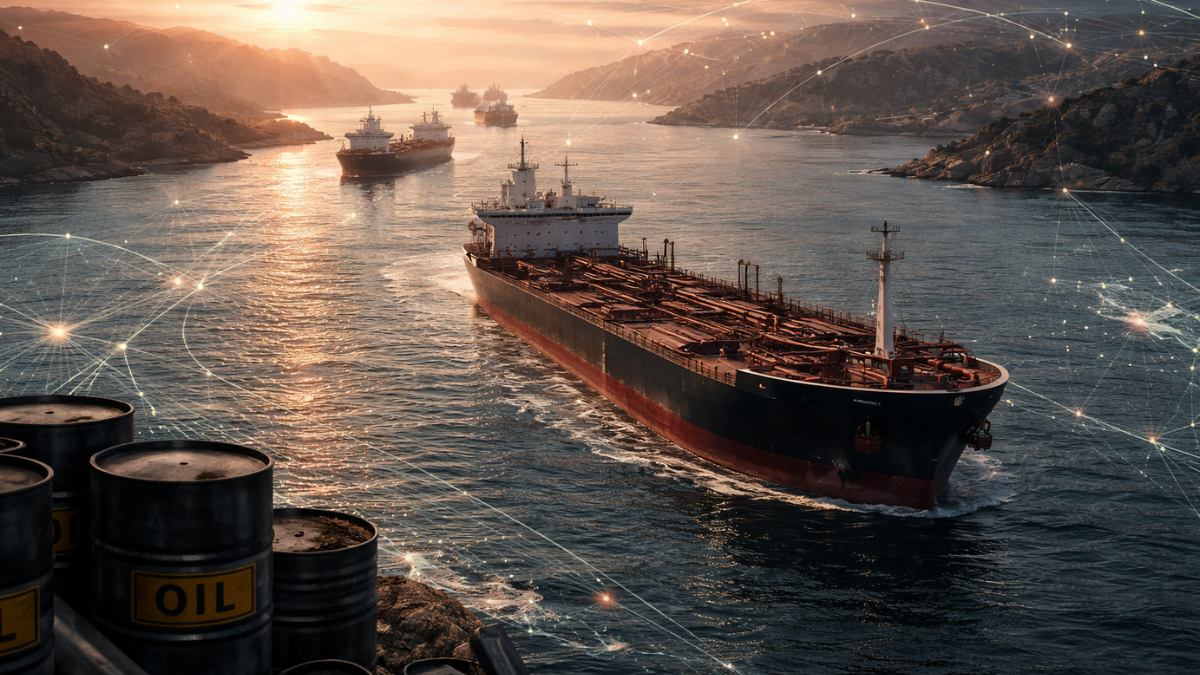
Ship traffic through the Strait of Hormuz has slowed significantly. This route is one of the most important in the world, carrying a large share of global oil supply. Many tanker operators are avoiding the area due to safety concerns and fear of attacks.
This slowdown has made it difficult for major oil-producing countries in the region to export their crude. At the same time, Iran has continued to move its own oil through the same waters, adding complexity to the situation.
When fewer ships move oil, supply tightens. This pushes prices higher. The impact has been felt across global markets, with fuel costs remaining near multi-year highs.
To address this, the U.S. has taken several steps. These include releasing oil from its Strategic Petroleum Reserve and allowing foreign ships to transport oil between U.S. ports. Despite these measures, prices have stayed elevated.
The temporary easing of sanctions is another attempt to increase supply quickly. By allowing already-loaded Iranian oil into the market, officials hope to reduce pressure without fully changing existing policies.
Controversy Grows Over Sanctions Easing Decisions
The decision has sparked debate. Critics argue that easing sanctions, even briefly, may weaken long-standing efforts to limit financial flows to certain governments.
US shuts down alleged Iran-backed websites involved in hacking and repression
Concerns have also been raised about similar steps taken for Russian oil. The U.S. recently allowed purchases of Russian oil already at sea for a short period. Some believe this could benefit Russia during its ongoing war led by Vladimir Putin.
Leaders such as Chuck Schumer have questioned whether such moves could provide financial advantages to countries facing sanctions. They argue that higher oil prices, combined with relaxed rules, may increase revenues for these nations.
At the same time, officials maintain that strict financial controls remain in place. They have stated that access to international financial systems will still be limited.
Meanwhile, tensions in the Middle East continue to affect oil infrastructure. Key facilities have been targeted during the conflict, including sites linked to exports. There have also been warnings about possible strikes on important oil locations if disruptions continue.
There is ongoing discussion about protecting oil tankers moving through high-risk areas. While support has been mentioned, there are expectations that other countries should play a role in securing these routes.
The temporary sanctions relief remains part of a wider situation involving conflict, supply disruptions, and efforts to manage rising energy prices.