

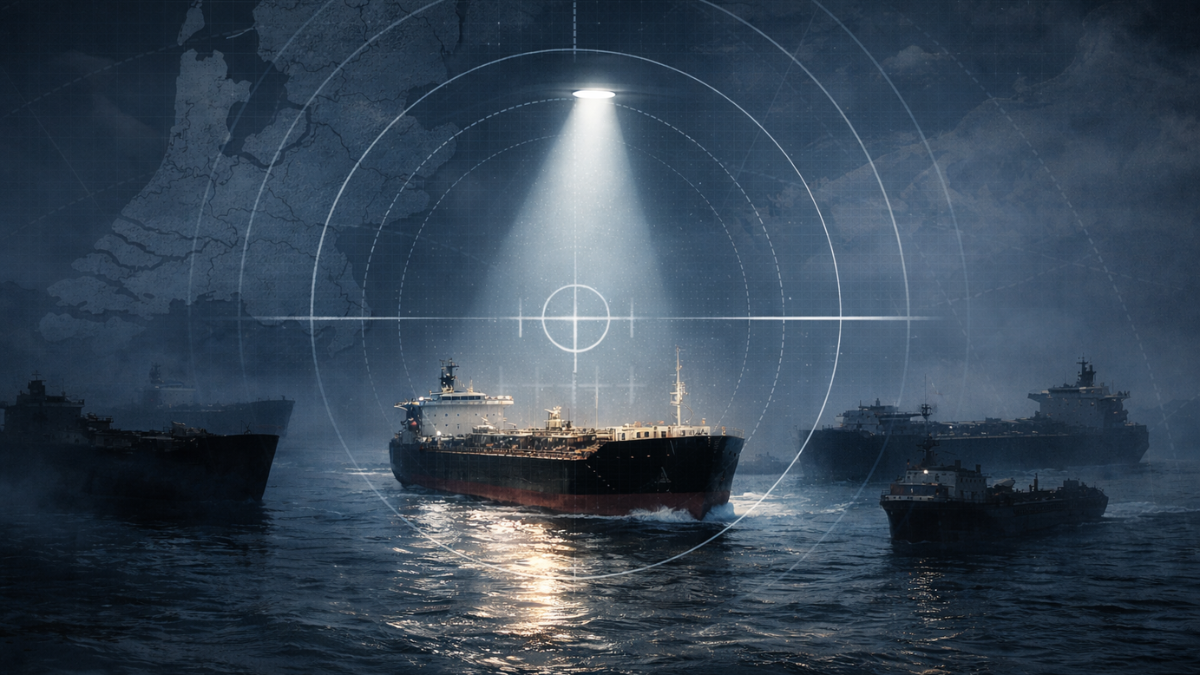


The Dutch government is preparing new laws to take stronger action against the Russian “shadow fleet,” a group of ships suspected of carrying out espionage and evading international oil sanctions. These measures are aimed at controlling vessels that operate secretly, often under false flags, and bypass rules meant to limit Russia’s oil trade. Authorities are fast-tracking the legislation with the hope of sending it to the Dutch parliament before the summer.
Russian Shadow Fleet: Secretive and Risky
The Russian shadow fleet is made up of hundreds of ships, most of which are oil tankers. These vessels are known for operating in secret and using tactics to hide their true activities. Many ships in the fleet fly false or unusual flags, making it difficult to identify their country of origin. Others turn off their automatic identification systems, which normally allow authorities and other ships to track their location.
These ships often carry crude oil or fuel outside standard insurance systems, making enforcement of sanctions much harder. Ownership of the vessels is usually unclear, and records can be deliberately confusing. Because of these practices, the shadow fleet has earned a reputation for being difficult to regulate or monitor.
Many of the vessels are also in poor condition, raising safety concerns for both the crew and the environment. Officials are worried that the combination of secretive operations, aging ships, and illegal oil trading could lead to maritime accidents, oil spills, or other hazards. In addition to these risks, authorities believe some of the ships could be used for espionage activities, further increasing concerns about national security.
Damaged Russian “shadow fleet” tanker limps into Istanbul after drone strike at Black Sea port
Strengthening Dutch Authority in Its Waters
Currently, the Netherlands has limited legal powers over ships operating in its Exclusive Economic Zone (EEZ), which is the area of the sea beyond territorial waters. To address this, the government is preparing legislation that would allow authorities to inspect vessels flying false flags, direct them to anchor, and even confiscate them if necessary.
These legal changes are designed to close gaps that the shadow fleet currently exploits. By giving authorities the right to intervene in Dutch waters, the new laws would help enforce sanctions, improve maritime safety, and reduce the risk of espionage. The government is fast-tracking this legislation to ensure it can be considered by the lower house of parliament soon.
EU Sanctions Targeting the Shadow Fleet
The European Union has been working for years to restrict the operations of Russian shadow fleet ships. By the end of 2025, nearly 600 vessels were included on EU sanctions lists, which prohibit them from entering European ports due to their involvement in evading oil price caps and related restrictions.
France intercepts Russian oil tanker Grinch as sanctions crackdown intensifies
In December 2025, the EU added 41 more ships and supporting organizations to its sanctions lists. Previous measures had already targeted hundreds of other vessels and maritime companies connected to the shadow fleet. These sanctions aim to cut off illegal oil trade, making it more difficult for the fleet to operate.
The Dutch legislation aligns with these EU efforts. By giving authorities stronger powers in its waters, the Netherlands can help ensure sanctions are effectively enforced, prevent unsafe ships from roaming freely, and reduce the potential for espionage activities.
The move highlights the serious challenges posed by the Russian shadow fleet. These ships not only carry oil illegally but also pose safety risks and security concerns. With the proposed laws, Dutch authorities would be able to monitor, inspect, and take action against these vessels more effectively. The government’s effort is part of a broader push to control secretive ships and enforce international sanctions in European waters.