

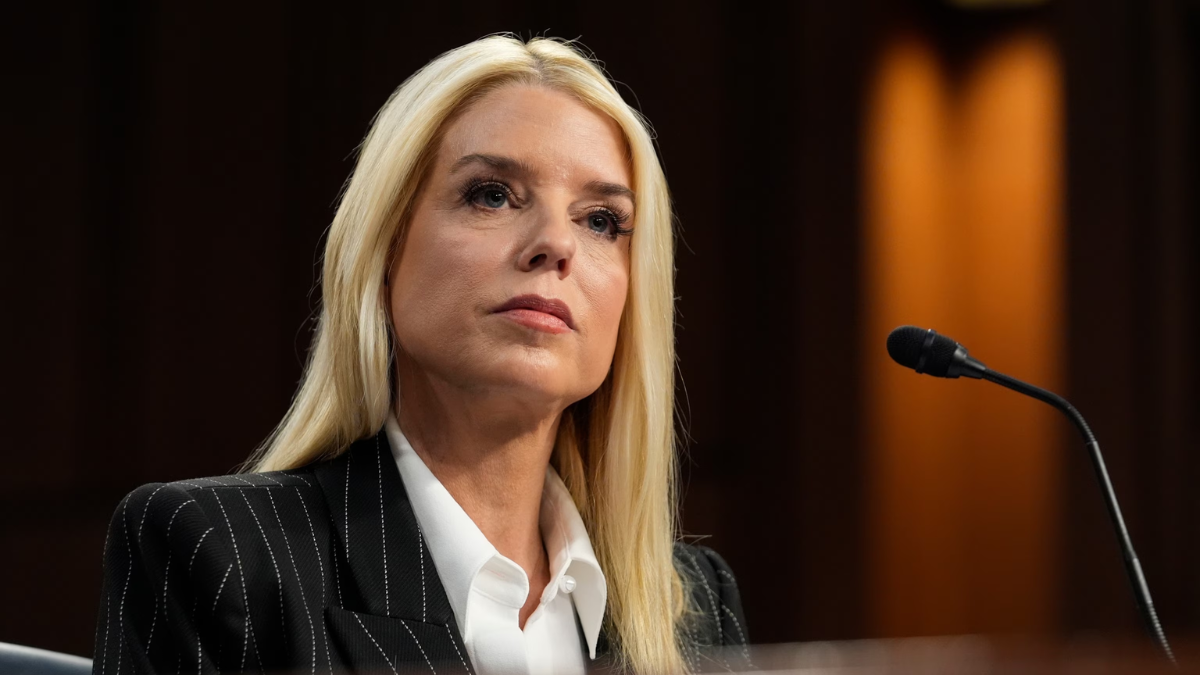


Attorney General Pamela Bondi announced a major national plan to prioritize animal welfare enforcement and combat animal cruelty across the United States. The initiative focuses on improving how animal welfare crimes are investigated and prosecuted, while strengthening coordination between federal agencies involved in enforcement efforts.
The plan brings together multiple federal agencies, including the Department of Justice’s Environment and Natural Resources Division, the U.S. Department of Agriculture, the Executive Office for United States Attorneys, the Federal Bureau of Investigation, the U.S. Marshals Service, and Homeland Security Investigations. These agencies will work together to ensure stronger enforcement of animal welfare laws and faster action against offenders.
The announcement was made through an official memorandum sent to all Department of Justice employees. The goal is to make animal welfare enforcement a clear priority within the federal government and ensure consistent action nationwide.
Training and National Strategy to Combat Animal Cruelty
One major part of the plan is a one-week Animal Welfare Summit to be held at the Department of Justice’s National Advocacy Center. This summit will train federal prosecutors and federal agents from across the country on how to investigate and prosecute animal welfare crimes. The training will focus on building strong cases and improving coordination between agencies.
DOJ moves on Antero Resources in $3.8 million air pollution case tied to toxic emissions
The plan also includes the creation of a multi-agency Animal Welfare Executive Strategy Committee. This committee will be responsible for developing and implementing a National Strategy for Combatting Animal Welfare Crimes. The committee will be chaired by Adam Gustafson, who leads the Department of Justice’s Environment and Natural Resources Division.
The committee’s role will be to improve communication between agencies and ensure animal welfare laws are enforced consistently. It will also focus on targeting the most serious offenders and addressing repeat violations involving animal abuse and neglect.
Special Enforcement Teams and Funding for Rescued Animals
Another key part of the plan is the creation of a law enforcement “Tiger Team.” This specialized team will assist in executing search warrants and animal seizures during animal welfare investigations. The team will help ensure that operations are conducted safely and efficiently, especially in complex or high-risk cases.
The Department of Justice will also continue using the Asset Forfeiture Fund to help cover the costs of caring for animals seized during investigations. This funding will be used for the evaluation, feeding, and overall care of animals removed from abusive situations. The goal is to ensure that rescued animals receive proper treatment while cases move through the legal process.
DOJ sues Minnesota, calls affirmative action hiring ‘illegal discrimination’
Attorney General Pamela Bondi stated that animals are part of families and deserve protection from harm. She noted that since taking office, the Department of Justice has already rescued nearly 300 dogs from abusive and dangerous conditions.
Grants and Partnership with the USDA
The plan also includes the offering of grants through the Office of Justice Programs. These grants will support animal welfare organizations, as well as state and local law enforcement agencies, that are actively working to combat animal cruelty. The grants are intended to strengthen local enforcement efforts and expand resources for animal protection.
In addition, the Department of Justice will partner with the U.S. Department of Agriculture to strengthen enforcement of the Animal Welfare Act. The partnership will focus on using all available enforcement tools to target the worst offenders and remove chronic violators from industries covered by the law.
The announcement was made in coordination with U.S. Secretary of Agriculture Brooke L. Rollins, highlighting a joint federal commitment to improving animal welfare enforcement nationwide. The initiative reflects a coordinated, whole-of-government approach to addressing animal cruelty and strengthening protections for animals under federal law.