
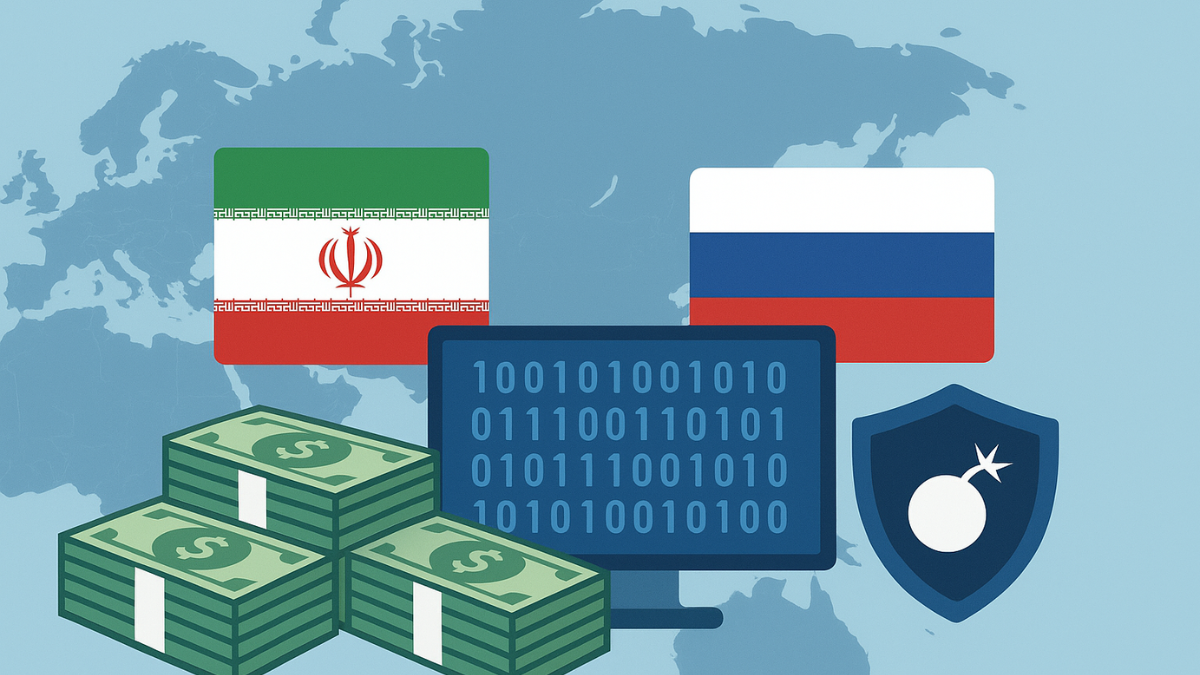


Iran and Russia have taken important steps to strengthen their cooperation against money laundering and terrorist financing. Kazem Jalali, Iran’s ambassador to Russia, met with Yury Chikhanchin, head of Russia’s Federal Financial Monitoring Service (Rosfinmonitoring), to discuss ways to work more closely on financial crime prevention.
By coordinating their efforts, Iran and Russia aim to improve transparency in financial systems and prevent illicit transactions more effectively.
The discussions also focused on broader regional cooperation under the Eurasian Group on Combating Money Laundering and Financing of Terrorism (EAG). The EAG is a regional body affiliated with the Financial Action Task Force (FATF), which sets global standards for preventing financial crime. Cooperation through this platform allows member states to exchange information, share best practices, and coordinate strategies against money laundering and terrorist financing.
Technical Assistance and Knowledge Sharing
One of the key outcomes of the meeting was the approval of a technical assistance package designed to support Iran in strengthening its anti-money laundering (AML) and counter-terrorist financing (CFT) systems. This package includes joint training workshops, technical exchanges, and advisory support from other EAG member countries.
Yury Chikhanchin praised Iran for its active participation in previous EAG meetings and expressed readiness to provide guidance aimed at increasing Iran’s engagement with other member states. The technical assistance program will allow Iranian authorities to adopt international best practices and improve their monitoring, regulatory, and investigative frameworks.
Iranian experts also shared domestic innovations in analysing financial data and coordinating between government agencies. Their methods were recognised as effective and adaptable for other countries in the region. These initiatives reflect Iran’s commitment to enhancing its financial intelligence capabilities and strengthening inter-agency collaboration to detect suspicious activities.
Iran’s Active Role in Regional Cooperation
Iran participated fully in the 43rd EAG plenary in Minsk, attending both plenary sessions and specialised workshops. The event brought together delegations from 35 countries and over 15 international organisations, highlighting the importance of regional collaboration.
A significant part of the plenary included discussions on using advanced technology to combat financial crime. Delegations from Russia, Belarus, the UAE, and Kyrgyzstan attended these sessions. Iranian experts presented their innovations in tracking suspicious transactions, data analysis, and improving cooperation among regulatory and law enforcement agencies. These contributions were recognised as practical and replicable examples for the region.
Iranian financial institutions also took part in side activities during the plenary, which helped expand their professional presence in the region. This participation allows Iran to strengthen relationships with regional partners and contribute to shared efforts in improving transparency and compliance with international standards.
Recognition and Collaborative Achievements
The plenary featured the annual EAG competition for the best financial crime analysis. Egypt’s National Bank won first place, while Russian and Tajik banks received distinctions for their work. These competitions highlight innovative approaches to detecting and preventing money laundering and terrorist financing.
Delegations at the closing session acknowledged Iran’s active participation across supervisory, judicial, and operational discussions. Officials highlighted the country’s growing role in regional cooperation and emphasised the importance of continued collaboration under the EAG framework.
Iran’s contributions demonstrate its commitment to transparency, stronger financial oversight, and alignment with international norms. By sharing expertise, participating in workshops, and adopting advanced technologies, Iran is taking concrete steps to strengthen its systems and assist other countries in tackling financial crime.
The meeting concluded with a collective call for stronger coordination among member states. Iran’s proactive engagement was recognised as a valuable asset in regional efforts to combat money laundering and terrorism financing.