

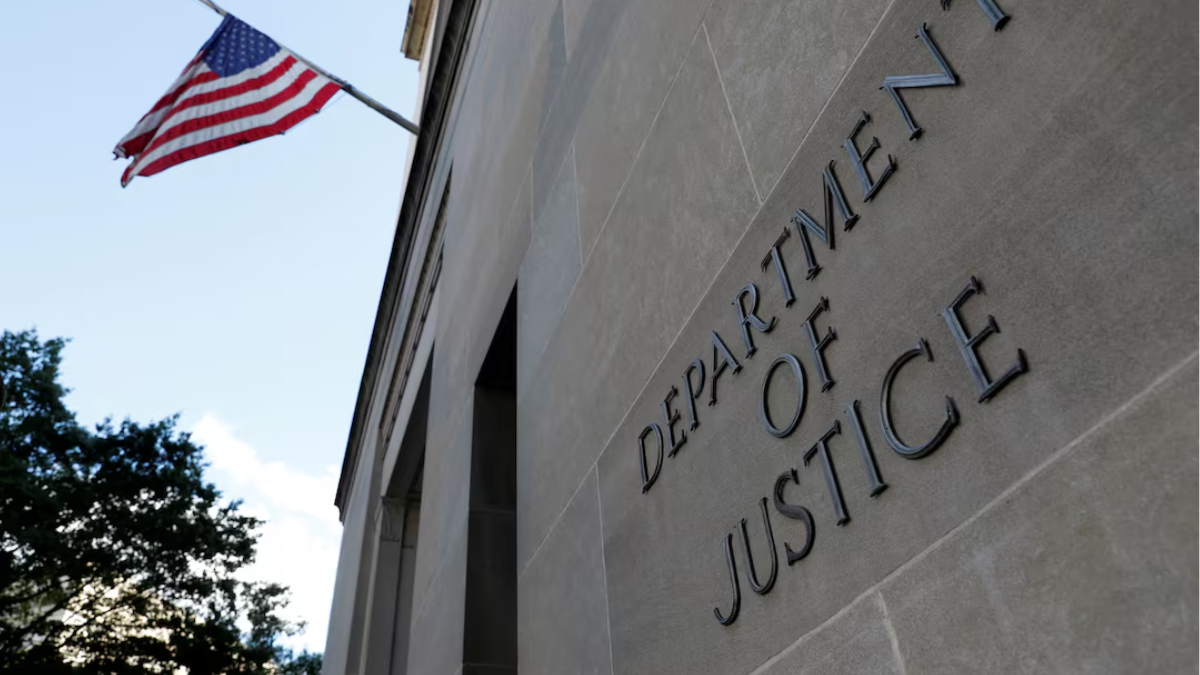


In a major escalation of the national battle over electric vehicle policy, the U.S. Department of Justice on Thursday filed a lawsuit against the California Air Resources Board in the United States District Court for the Eastern District of California, arguing that California’s aggressive electric vehicle rules violate federal law. The legal action—announced by U.S. Attorney General Pamela Bondi and U.S. Transportation Secretary Sean P. Duffy—was filed on behalf of the National Highway Traffic Safety Administration (NHTSA). Federal officials say California’s policies effectively impose state-specific fuel economy standards, which they argue are preempted by the Energy Policy and Conservation Act, the statute that gives NHTSA exclusive authority to regulate fuel economy in the United States.
The lawsuit represents one of the most significant legal confrontations between Washington and California over the future of the American auto industry. At the center of the dispute is California’s effort to push car manufacturers toward electric vehicles through strict regulatory standards designed to reduce emissions and accelerate the transition away from gasoline-powered cars.
Arizona surgical hospital to pay $5.6 million in DOJ False Claims Act settlement
Federal officials argue that California’s regulatory approach amounts to a backdoor electric vehicle mandate that could force automakers to make sweeping changes to their production lines across the country. Because car manufacturers generally produce vehicles for a national market rather than a state-by-state system, officials say the state’s rules could effectively reshape manufacturing decisions nationwide.
Attorney General Bondi said the Justice Department believes California has exceeded its legal authority by attempting to impose regulations that overlap with federal fuel economy standards. According to federal officials, Congress deliberately centralized authority over vehicle fuel economy under the Energy Policy and Conservation Act in order to prevent states from creating a fragmented regulatory environment that could complicate interstate commerce.
Transportation Secretary Duffy said the lawsuit is also tied to a broader policy effort backed by Donald J. Trump, aimed at reducing regulatory burdens on the auto industry and lowering the cost of new vehicles for American consumers. The administration recently unveiled the “Freedom Means Affordable Cars” initiative, which seeks to revise federal Corporate Average Fuel Economy standards in a way officials say could save consumers billions of dollars over the next several years.
Under that initiative, federal regulators argue that resetting national fuel economy targets could lower the average cost of a new vehicle while giving automakers greater flexibility in deciding what types of cars and trucks to produce. Officials supporting the policy say the goal is to allow manufacturers to respond to consumer demand rather than being forced to rapidly shift production toward electric vehicles.
DOJ files federal lawsuit against UCLA over claims of discrimination against Jewish employees
The Justice Department’s complaint argues that California’s rules would undermine that federal approach by forcing automakers to comply with stricter standards set by a single state. According to the lawsuit, such requirements could drive up vehicle prices and limit the range of models available to consumers.
Federal officials also say California’s policies could disrupt interstate commerce because carmakers would have to align national manufacturing strategies with the state’s stricter emissions and electrification goals. They argue that Congress designed federal fuel economy law specifically to avoid that type of regulatory patchwork.
The case targets regulations developed by the California Air Resources Board, the influential state agency responsible for air quality policy and vehicle emissions standards. California has historically taken the lead in developing aggressive environmental rules, and many other U.S. states have adopted similar standards by aligning their regulations with those created in Sacramento.
Supporters of California’s approach say strong emissions rules are necessary to combat climate change and reduce air pollution, especially in major urban areas. However, critics argue that rapid electrification mandates could impose heavy costs on both consumers and manufacturers, particularly as the auto industry navigates supply chain challenges and the high cost of battery production.
The federal lawsuit could have far-reaching implications for how environmental and vehicle regulations are set in the United States. If the courts side with Washington, the decision could significantly limit the ability of individual states to pursue aggressive electric vehicle policies that go beyond federal standards.
DOJ reportedly plans to drop appeal in legal fight over Trump executive orders targeting law firms
Legal experts say the case is likely to become a landmark dispute over federal authority, environmental regulation, and the future direction of America’s transportation system. The outcome could shape how quickly the United States transitions toward electric vehicles—and determine whether individual states can push the auto industry further than federal regulators are willing to go.
For now, the lawsuit sets the stage for a high-stakes courtroom battle between federal regulators and California policymakers, with the outcome poised to influence the trajectory of the U.S. auto market and the broader debate over electric vehicles for years to come.