

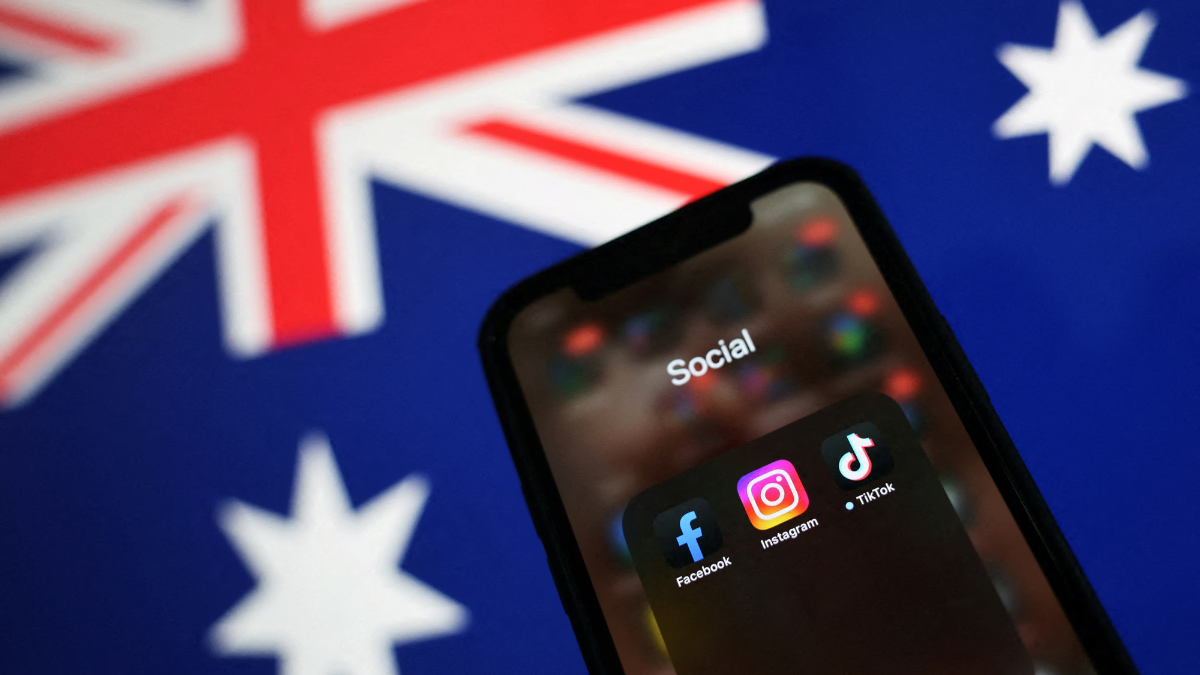


Australia’s new rule preventing children under 16 from accessing social media has sparked major attention worldwide. The decision has been described as bold, unusual, and heavily debated. News outlets across the globe have reported on the move, examining how it might affect young people, how it could be enforced, and whether it could inspire similar actions in other countries. Reactions have been mixed, with many praising the intention but questioning how well it will work.
Global Media Reacts Strongly
In the UK, a major broadcaster ran a live blog when the ban began. It gathered views from teenagers and featured comments from critics who believe the rule might isolate vulnerable young people. Some experts warned that the ban could push children toward unregulated parts of the internet, where risks could be greater.
A British newspaper published an opinion piece supporting Australia’s decision, saying the country was taking a “brave stand.” The article noted that countries such as Malaysia are also exploring similar restrictions. International news agencies reported that Britain, China, Malaysia, the United States, the European Union, and several European countries are all considering age-based online measures.
North America and Global Perspectives
In the United States, a political outlet ran an exclusive interview with a public figure who praised the ban. The person said that protecting children and supporting their wellbeing should be a priority.
The New York Times called the ban a “grand social experiment.” Before the law started, it highlighted that the world would be watching closely. After the ban took effect, it reported that Australia’s experience could guide other countries or serve as a warning. It also discussed an Australian survey showing that three out of four children planned to keep using social media despite the restrictions.
Another global organisation released a statement questioning the effectiveness of blanket bans. It said that children might still face the same risks but would now do so secretly, which could put them in even more danger.
A Danish official told CNN that Denmark plans to restrict social media use for children under 15. The official said there had been “not that much” resistance to the idea.
Al Jazeera spoke with experts who explained several challenges. They said the ban would be difficult to enforce and that age-verification systems are often inaccurate or easy to bypass. They also pointed out that online harm happens across many platforms not covered by the rule. Some experts added that social media can be positive and even life-saving for young people. They noted that research from Australia and other countries shows that the effects of social media are complex and vary widely.
Mixed Reactions Inside Australia
Local newspapers gave detailed coverage of the practical issues surrounding the ban. One major paper reported that many teens are already planning ways to get around it. These include using makeup to appear older, borrowing their parents’ IDs, or accessing hidden networks. It also noted a High Court challenge taking place. Polling from the same paper showed that most voters support the policy, but many doubt it will succeed.
A business-focused newspaper argued that the ban misses the real issue and criticised it with the headline “It’s the algorithm, stupid.” Another national outlet reported on both the ban and a government minister’s travel issues, along with a smaller story about young people planning to outsmart the rule.
Some large tabloids strongly supported the new law. One front page described the rules as “world-leading” and linked them to its own campaign. Editorials praised efforts to push back against large tech companies. Another tabloid echoed this tone, promising a safer future for children.