

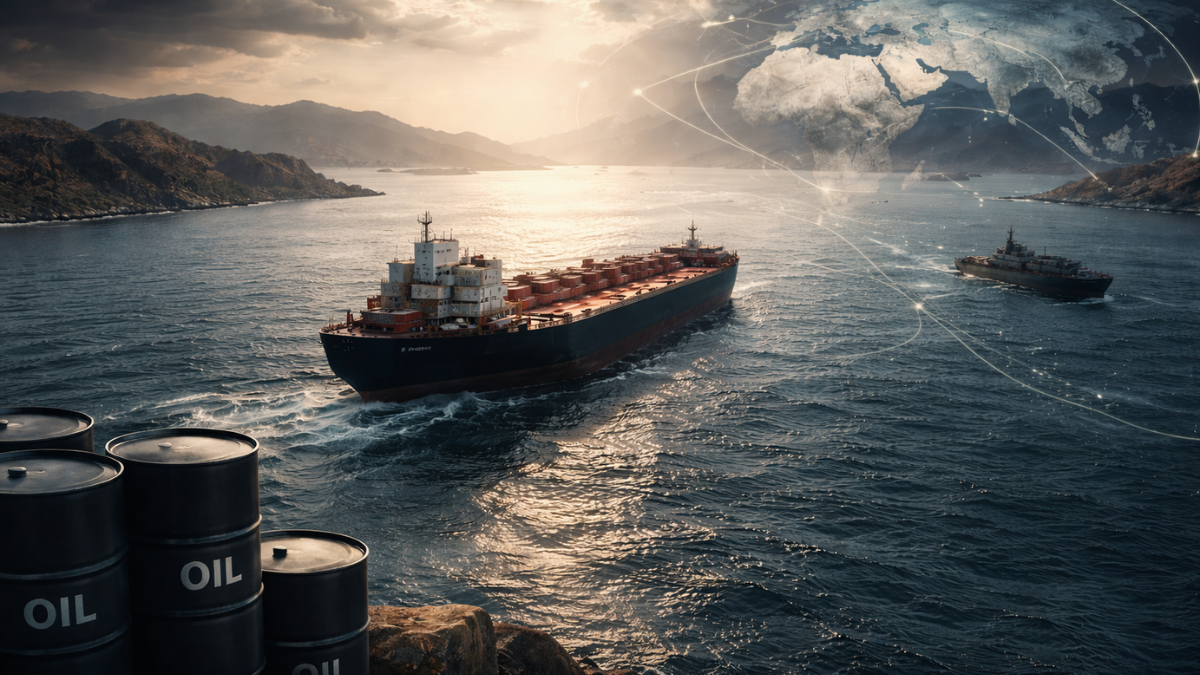


A major global concern has emerged as the United Kingdom and more than 40 allied nations begin discussions on imposing sanctions to address the ongoing situation in the Strait of Hormuz. This narrow waterway is one of the most important shipping routes in the world, with nearly one-fifth of global oil and gas passing through it daily.
Recent developments have caused serious disruption in this region. Iran has been accused of attacking several vessels in the strait. These actions have slowed or blocked the movement of ships, affecting global energy supplies. Oil prices have increased sharply in recent weeks, rising from around $73 per barrel to well over $100.
This disruption has created widespread concern. Many countries depend on this route for energy imports. The blockage has also affected trade routes, fertilizer supply chains, and overall global economic stability. The situation has been described as a direct threat to global prosperity by Yvette Cooper.
Diplomatic Talks and Sanctions Strategy
In response, the UK organized a virtual meeting with representatives from more than 40 countries. The meeting, led by Yvette Cooper, focused on finding ways to reopen the Strait of Hormuz through diplomatic means rather than military action. It marked the beginning of efforts to form a coordinated international response.
Ships asked to pay in yuan or crypto for transit through the Strait of Hormuz
The main strategy under discussion is the use of sanctions. These economic measures are intended to pressure Iran into reopening the strait. Countries are considering applying stronger economic and diplomatic pressure if the situation continues.
Alongside sanctions, there is also a plan to work through international organizations. This includes efforts via the United Nations and the International Maritime Organisation to ensure safe navigation and restore normal shipping activity. There is also a focus on helping ships currently stranded in the region move safely once conditions allow.
The discussions emphasized using coordinated diplomatic and economic measures. Military options were not the primary focus. At the same time, Keir Starmer stated that the government is exploring every possible diplomatic avenue to reopen the route.
Global Impact and Growing Economic Pressure
The situation is closely linked to a wider conflict involving Iran, the United States, and Israel. Iran’s actions in the strait are seen as a response to this ongoing conflict. The attacks on vessels have increased tensions and disrupted global shipping.
The Malaysia loophole: How China disguises sanctioned Iranian oil through ship to ship transfers
The impact is being felt worldwide. Rising oil prices are affecting fuel costs, transportation, and the price of everyday goods. This has added to cost-of-living pressures in many countries. Governments are facing growing challenges in managing these economic effects.
The importance of the strait goes beyond energy. It is a key route for global trade. Gulf nations rely on it for exports, while countries in Asia depend on it for energy supplies. Fertilizer shipments passing through the route are also important for agriculture in parts of Africa.
There are differing views on how to respond. Donald Trump has suggested stronger action to secure the route, urging other nations to take more responsibility. In contrast, Emmanuel Macron has stated that reopening the strait requires cooperation and dialogue rather than military force.
Earlier in March, several countries signed a joint statement calling on Iranian forces to stop attacks on commercial ships. The statement also expressed readiness to support efforts to ensure safe passage. Nations from Europe, Asia, and the Gulf region have shown willingness to contribute.
At the same time, governments are weighing their responses carefully. While securing the strait is important, there are concerns about becoming directly involved in the wider conflict. For now, the focus remains on coordinated diplomatic efforts as the situation continues to affect global markets and trade.