

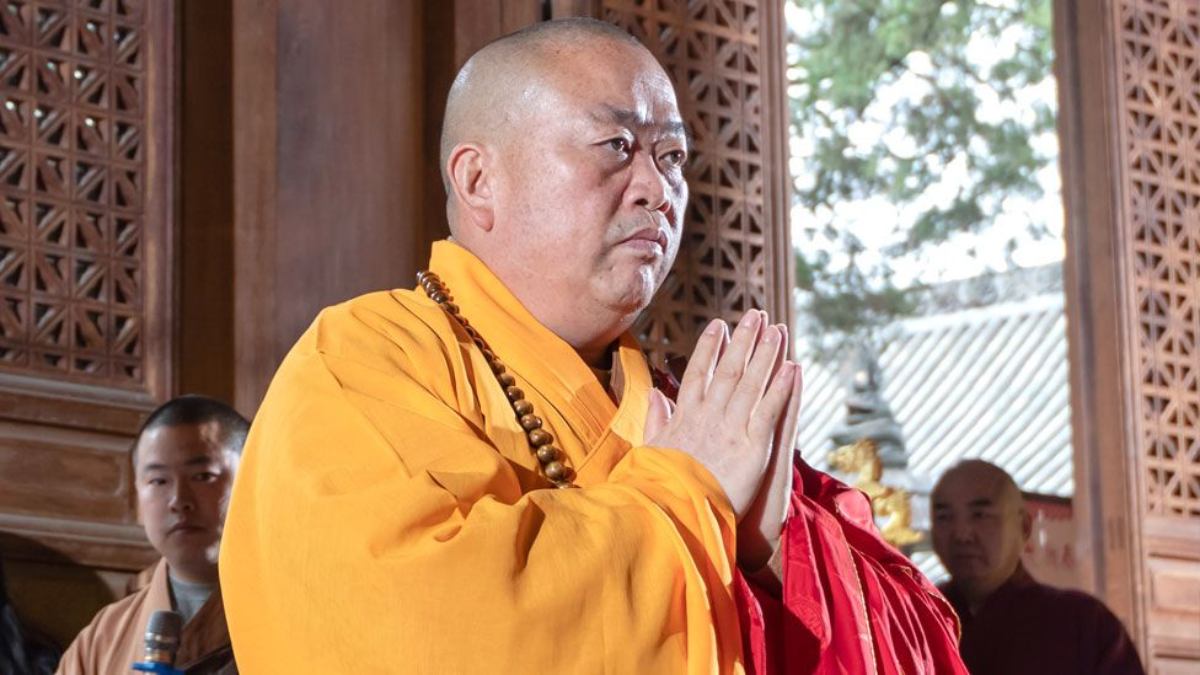


Prosecutors in central China have officially charged Shi Yongxin, the former abbot of the famous Shaolin Temple, with serious financial crimes. The charges include bribery, embezzlement, and misappropriation of funds. This development was reported on March 20 by the country’s state news agency.
Shi Yongxin, now 60 years old, had already been under investigation since July of the previous year. Authorities began looking into his activities after multiple allegations surfaced about misuse of money and improper conduct.
The Shaolin Temple, located in Henan province, is one of the most well-known religious and cultural sites in the world. It was established around the year AD495 and is widely recognized as the birthplace of Zen Buddhism and Chinese kung fu. Because of this, the case has drawn significant public attention.
Temple authorities had earlier stated that Shi Yongxin was suspected of misusing funds related to temple projects. They also claimed that temple assets were handled improperly. These accusations led to a deeper investigation by government officials.
Allegations of Misconduct and Rule Violations
Apart from financial crimes, Shi Yongxin has also been accused of violating important religious rules. According to official statements, he was involved in behavior that went against Buddhist teachings. This includes allegations of having improper relationships with multiple women.
US Treasury links polo patrons and Swiss bank to alleged Venezuelan oil corruption network
The monastery itself confirmed that these actions were considered serious violations of discipline. Religious institutions in China follow strict codes of conduct, and such behavior is treated as a major breach.
The country’s top Buddhist authority responded strongly to the situation. It announced that Shi Yongxin would be disrobed, which means he would no longer be recognized as a monk. His certificate of ordination was also set to be canceled.
In an official statement, the authority said that the actions were extremely serious and had harmed the image of monks and the wider Buddhist community. It also expressed support for handling the case strictly according to the law.
Shi Yongxin had faced similar accusations in the past as well. Some former monks had earlier claimed that he used money from temple-run businesses for personal benefit. There were also claims about maintaining luxury cars and having children with multiple women. These earlier allegations added to the seriousness of the current case.
“CEO Monk” Image and Commercial Expansion
During his time as abbot, which began in 1999, Shi Yongxin became widely known for expanding the temple’s reach beyond China. He played a key role in promoting Shaolin culture, including martial arts and traditional studies, to a global audience.
Because of his business-style approach, Shi Yongxin was often called the “CEO monk.” He helped set up dozens of companies linked to the temple, both within China and internationally. These companies focused on cultural promotion, performances, and other commercial activities.
India launches anti-dumping investigation into ethyl chloroformate imports from China
While some people saw this as a way to spread culture, others criticized it. Critics argued that turning a religious institution into a business went against the true spirit of Buddhism. This debate continued for many years during his leadership.
The temple’s commercial growth brought both fame and controversy. It increased global awareness of Shaolin traditions but also raised questions about money management and priorities.
In China, the government plays an important role in overseeing religious organizations. Authorities have the power to appoint or remove religious leaders. They also step in when there are concerns about illegal activities or behavior that damages public trust.
In this case, officials have made it clear that both legal and ethical issues are being taken seriously. The charges filed by prosecutors mark a significant step in the ongoing investigation.
The situation has also sparked wider discussions about the balance between religion and business. Many people are closely watching how the case unfolds, especially because of the temple’s global reputation and cultural importance.
At present, Shi Yongxin faces multiple serious charges. Authorities continue to handle the case under Chinese law, focusing on both financial crimes and violations of religious discipline.