

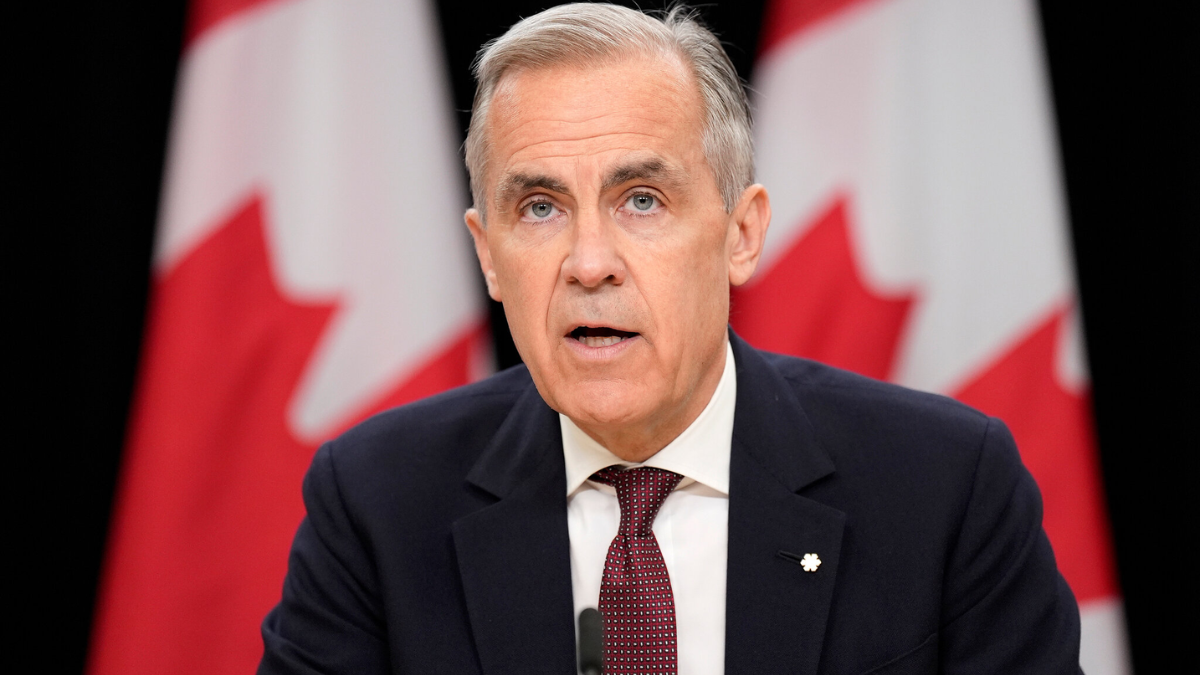


Canada is considering sending a small number of military troops to Greenland as part of NATO exercises, a move that could risk retaliation from the United States. The decision comes amid growing tensions over Arctic security and trade, highlighting the delicate balance between alliance commitments and economic exposure.
Canada and NATO Exercises
The Canadian government has drafted plans for a limited number of Canadian Armed Forces personnel to join military exercises in Greenland. These exercises would include troops from NATO allies, such as the United Kingdom, France, Denmark, and other partner countries. According to sources familiar with the discussions, the plans are still under review, and no final decision has been made.
Greenland, while self-governing, remains part of the Kingdom of Denmark. Denmark is a NATO member, and the security of Greenland is considered a shared responsibility within the alliance. Military exercises in the region are usually small and symbolic, focusing on cooperation, readiness, and coordination among allies.
Prime Minister Mark Carney emphasized that Greenland’s future should be decided by Denmark and the people of Greenland. He also stated that NATO has an important role in ensuring the region’s security. Carney said Canada will continue to support the sovereignty and territorial integrity of countries worldwide, regardless of geographic location.
Canada cuts tariffs on Chinese electric cars while China eases tariffs on Canadian farm exports
Carney has held discussions with European leaders and NATO partners about the situation. Speaking during a news conference in Qatar after a visit to China, he described the situation as “serious” and expressed concern about rising tensions. He also noted that if he speaks with President Donald Trump, he will reiterate Canada’s stance on respecting Greenland’s sovereignty and NATO responsibilities.
Trump Tariff Threat
Tensions escalated after President Trump announced a 10 per cent tariff on goods from eight European countries that planned to participate in NATO exercises in Greenland. The tariff is set to rise to 25 per cent in June. The announcement sparked pushback across Europe, with leaders arguing that the use of tariffs in response to military exercises was inappropriate.
European Union leaders planned an emergency summit to discuss the matter and explore possible responses, including counter-tariffs. British Prime Minister Keir Starmer told Trump that the tariff move was “wrong.” The announcement raised concerns that Canada could face similar economic pressure if it participates in the exercises, although no direct threat has yet been made against Canadian exports.
Greenland standoff intensifies after Trump warns of tariff retaliation
Carney noted that the security of Greenland “very much falls within the responsibilities of NATO.” He reiterated that Canada is concerned about the escalation and emphasized its commitment to NATO partnerships. Both Trump and Carney are expected to attend the World Economic Forum in Davos, Switzerland, although it is not yet known whether they will meet there.
Canada’s Economic Exposure
Canada is highly exposed to US trade policies, with nearly 70 per cent of its goods exports shipped to the United States. Trump has previously imposed tariffs on Canadian products, starting at 25 per cent and later rising to 35 per cent, although many items remain exempt under the US-Mexico-Canada Agreement.
The current situation adds pressure on Canada, as even the threat of tariffs could have significant effects on industries such as manufacturing, agriculture, and energy. The country must weigh its NATO obligations and Arctic security commitments against potential economic consequences.
Carney emphasized that Canada will continue to support sovereignty and territorial integrity worldwide. Draft plans to send troops to Greenland reflect the government’s effort to balance alliance responsibilities, Arctic security, and trade considerations, while remaining vigilant about possible repercussions from the United States.