

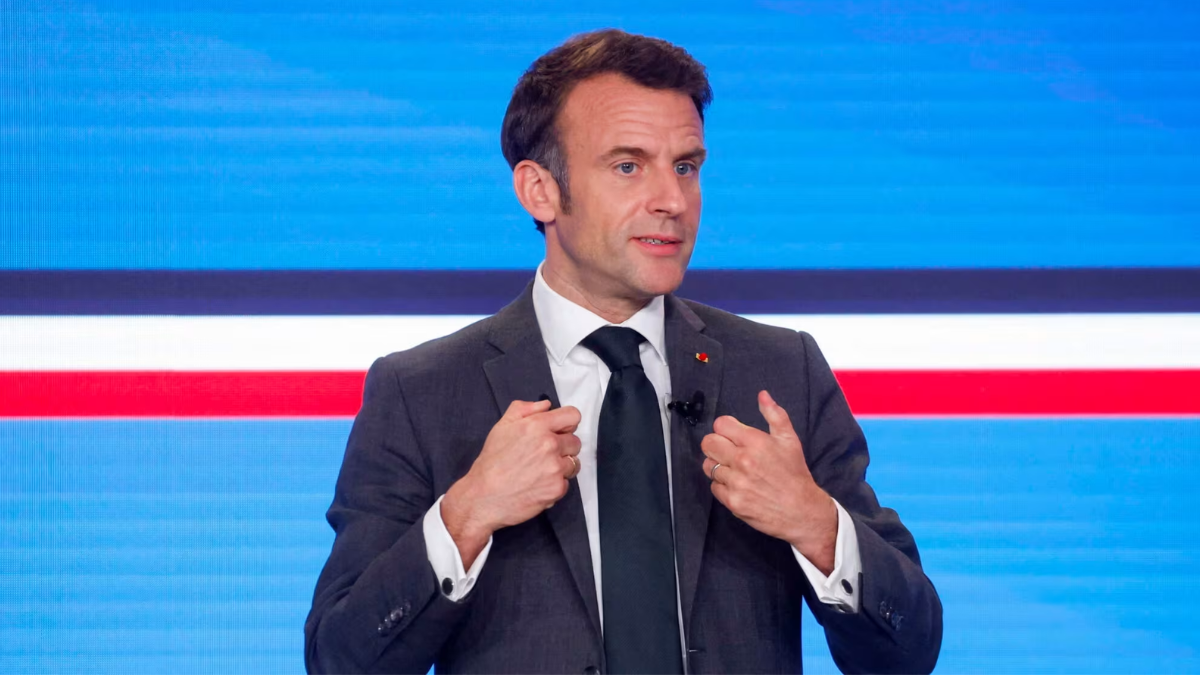


French President Emmanuel Macron has issued a strong warning to China, saying the European Union may have to take tough action if China does not reduce its widening trade surplus with Europe. He said the imbalance is unfair because China sells large amounts of goods to the EU but buys very little in return, which could hurt European companies and workers.
Macron discussed this in an interview with Les Echos after returning from a three-day state visit to China. During the visit, he pushed for more investment and urged China to buy more goods from France and other EU nations. According to the French Treasury, France recorded a goods trade deficit of about €47 billion with China last year.
The issue affects the entire EU. China’s goods trade surplus with the bloc reached nearly $143 billion in the first half of 2025, the highest ever for that period. Macron said he warned Chinese leaders that such a large and growing surplus cannot continue, saying China is “killing their own clients” by importing so little from Europe.
Talks of tariffs if China does not act
Macron said that if China does not fix the imbalance, the EU may need to take “strong measures” similar to the United States, including tariffs on Chinese products. He said he already raised the issue with European Commission President Ursula von der Leyen. Some EU countries support France’s tougher stance, while others remain cautious, and Germany does not fully agree with France on how strong the response should be.
His warning comes after a series of trade clashes. Last year, the EU imposed tariffs on Chinese electric vehicles, arguing they were sold at unfairly low prices due to Chinese government support. China responded by setting minimum price rules on French cognac, worrying France’s alcohol industry. Pork and dairy producers in France also feared their goods could be targeted next.
These actions increased tensions between Europe and China. Macron’s latest comments show that the situation remains strained and that further steps may follow if the imbalance continues.
Europe caught between the US and China
Macron said global trade has become tougher because of actions by the United States. He explained that US restrictions and high tariffs on China have pushed many Chinese goods away from the US and into the European market, worsening Europe’s trade imbalance.
He said Europe is now “stuck between the two” major economies and called it a “life or death” moment for European industry. If European companies cannot compete with the strong flow of Chinese imports, many may lose business or shut down, affecting workers, factories, and economic stability.
Macron said Europe must strengthen its own industries and make the European single market more competitive. He added that EU countries must cooperate more closely on major economic challenges. He also noted that Germany does not fully agree with France’s approach toward China, making a united EU response more difficult.
Role of the European Central Bank adds to the debate
Alongside trade concerns, Macron highlighted the role of the European Central Bank (ECB). He said the ECB should focus not just on inflation but also on growth and jobs. He warned that concentrating only on inflation can slow the economy too much, especially when interest rates rise.
Macron also expressed concern about the ECB’s plan to continue selling government bonds. Selling these bonds can push long-term interest rates higher, making loans more expensive for families and businesses and slowing economic activity.
He said Europe must remain a place of monetary stability and strong investment. But he warned that high interest rates, combined with pressure from Chinese imports, could make conditions even harder for European companies. He said Europe needs stronger tools to protect itself in such a competitive global economy.