

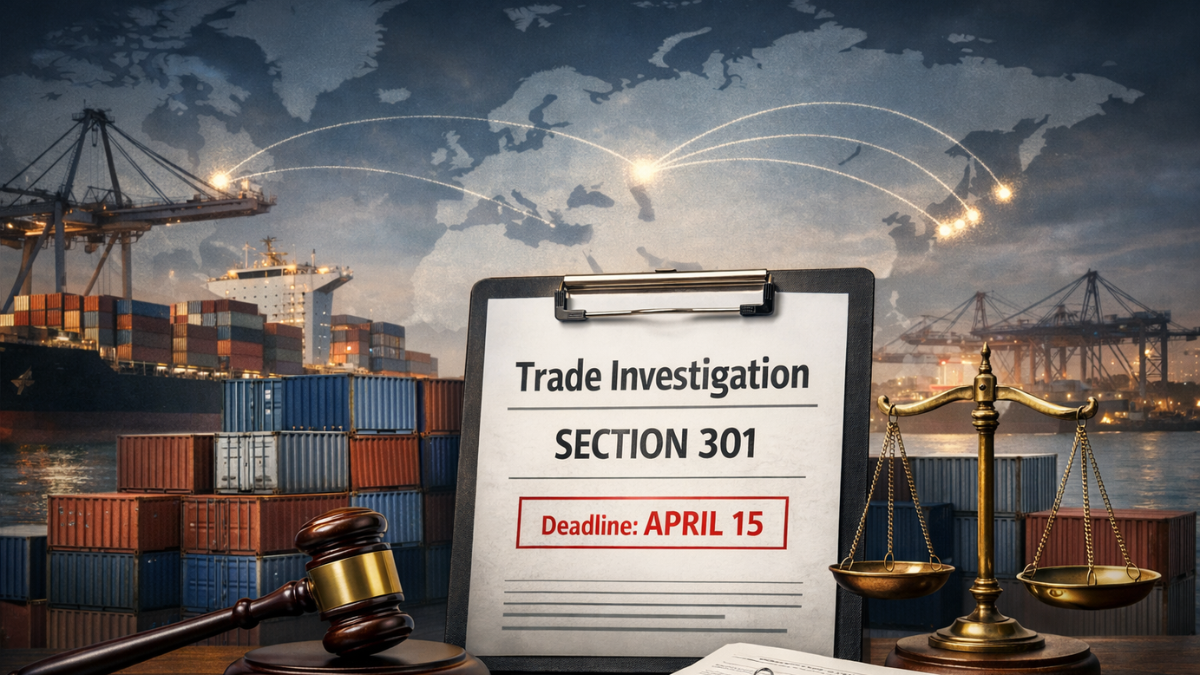


Thailand has been asked to submit written comments to the United States by April 15 as part of an ongoing trade investigation. This process is being carried out under Section 301 of the Trade Act of 1974, a law that allows the U.S. to examine whether other countries are engaging in unfair trade practices.
The investigation is not limited to Thailand alone. In total, 16 countries are being reviewed under this law. The aim is to check if certain industries in these countries are producing too much or behaving in ways that could harm fair competition in global trade.
For Thailand, the investigation focuses on what is called “excess production capacity.” This means producing more goods than the market needs, which can lower prices and make it difficult for companies in other countries to compete fairly. The sectors under review include autos, machinery parts, fish, fish oil, animal feed, and garments.
In addition to this, there is another part of the investigation that looks into imports of goods that may have been made using forced labor. This case does not name any specific country but still applies to goods coming from multiple regions, including Thailand.
Why Thailand Must Respond Before April 15
The April 15 deadline is very important. Thailand must provide a clear explanation of its trade practices and defend its industries. This includes giving detailed information about production levels, labor practices, and trade policies.
Malaysia becomes first country to cancel US tariff deal after legal ruling
According to Chotima Iemsawasdikul, who is the director general of the Department of Trade Negotiations, Thailand risks facing tariffs if it does not properly defend its case. The statement was made during a briefing, highlighting the seriousness of the situation.
If Thailand does not respond properly or fails to convince U.S. authorities, it may face new trade penalties. One of the biggest risks is the imposition of tariffs. Tariffs are taxes placed on imported goods, making them more expensive in the U.S. market.
Previously, Thai goods were already affected by a 19% tariff. However, this has now been replaced by a broader global tariff introduced by Washington. Even with this change, the risk of additional tariffs remains if the investigation leads to negative findings.
The situation puts pressure on Thailand’s export-driven industries. The United States is one of the key markets for Thai products. Any increase in tariffs could make Thai goods less competitive compared to products from other countries.
Thailand is currently in discussions with the United States following an earlier joint statement that addressed both tariff and non-tariff issues. These talks are ongoing as both sides try to resolve concerns and avoid further trade restrictions.
UK to raise steel import tariffs and reduce quotas under new strategy
Trade Talks and Broader Economic Context
At the same time, Thailand is working on expanding its trade relationships with other regions. One important development is the ongoing negotiation of a free trade agreement with the European Union. The European Union is a major global market, and Thailand is aiming to complete these talks within the year.
The negotiations are said to be about halfway completed. This effort shows Thailand’s interest in strengthening its global trade network and reducing risks linked to dependence on any single market.
The current U.S. investigation highlights growing global attention on trade practices, production levels, and labor standards. Countries are being closely examined to ensure that international trade remains balanced and fair.
For Thailand, the immediate focus remains on preparing and submitting its response before the April 15 deadline. The outcome of this submission will play a key role in determining whether additional trade measures will be applied to its exports.
The investigation continues as part of broader efforts by the United States to review global trade activities under its existing laws.