

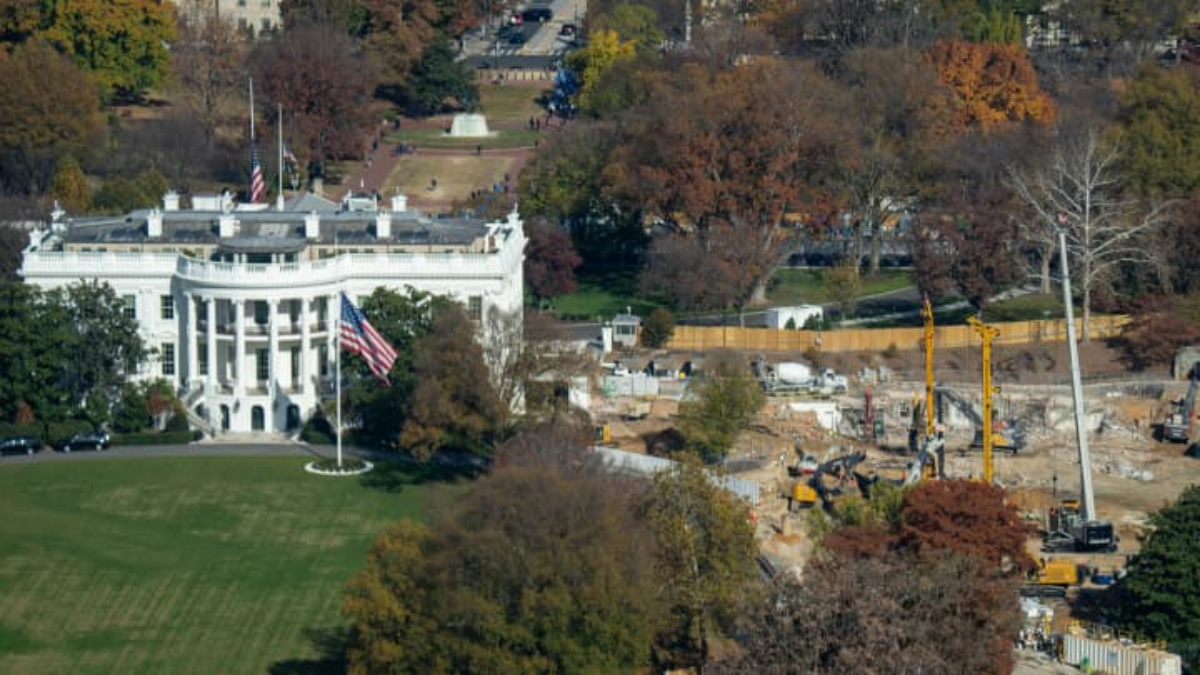


President Donald Trump has been sued by a historic preservation group over his plan to build a new ballroom at the White House. The lawsuit asks a federal court to stop the project until it goes through required reviews and receives approval from Congress. The case has brought renewed attention to how changes can legally be made to one of the most historic and recognizable buildings in the United States.
The lawsuit was filed on Friday by a privately funded preservation organization. It argues that the ballroom project moved forward too quickly and without following federal laws that protect historic sites. According to the complaint, work should not continue until the proper steps are completed. These steps include design reviews, environmental studies, public input, and congressional approval.
The dispute began after the East Wing of the White House was demolished as part of the project. Critics say this demolition happened before any official reviews were carried out. The lawsuit claims this violated multiple federal laws and removed the public from the decision-making process.
Preservation Group Challenges Legal Process
The preservation group says the project violates the Administrative Procedure Act and the National Environmental Policy Act. These laws require federal projects to follow clear procedures and consider environmental impacts before construction begins. The lawsuit states that these steps were skipped.
Another major issue raised in the complaint is the lack of congressional involvement. Federal law states that no new structure can be built on public land in Washington, D.C., without express approval from Congress. The preservation group argues that this rule applies to the White House and that approval should have been obtained before any demolition or construction began.
The group is asking the court to block further work on the ballroom. It also wants a declaration that the administration exceeded its authority by moving forward without consulting lawmakers. According to the lawsuit, the public was denied the chance to comment on changes to a building that belongs to the nation.
The complaint names several federal agencies responsible for managing public land and government buildings. The preservation group argues these agencies failed to carry out their legal duties by allowing the project to proceed without proper oversight.
White House Defends Authority and Funding
The White House has responded by saying the president has full legal authority to renovate and modernize the White House. The administration notes that past presidents have also made changes to the building. It argues that the ballroom project falls within that tradition.
The administration has also stressed that the project is being paid for with private funds, including the president’s own money. However, the lawsuit argues that private funding does not remove the project from federal laws. The White House remains public property, and the same rules apply regardless of who pays.
Critics point out that previous major renovations followed a different process. In those cases, Congress approved the work, and expert commissions reviewed the plans. The current project began with demolition before any plans were formally submitted for review.
The White House is expected to submit ballroom plans to a federal planning commission before the end of the year. Officials have said that once plans are submitted, the review process will move forward at a normal pace. The preservation group argues that this step should have happened before any work began and that submitting plans later does not fix earlier legal violations.
Laws, Reviews, and Public Involvement
The lawsuit highlights the special status of the White House as a historic and symbolic building. The preservation group argues that changes to such a landmark require the highest level of care, transparency, and public involvement.
According to the complaint, the group contacted several federal bodies and agencies after demolition started, asking for the project to be paused and for the law to be followed. The lawsuit says no responses were received.
The case focuses on whether required reviews and approvals were ignored. It also centers on the role of the public in decisions affecting historic national property. The court is being asked to decide whether construction should stop until all legal requirements are met.