

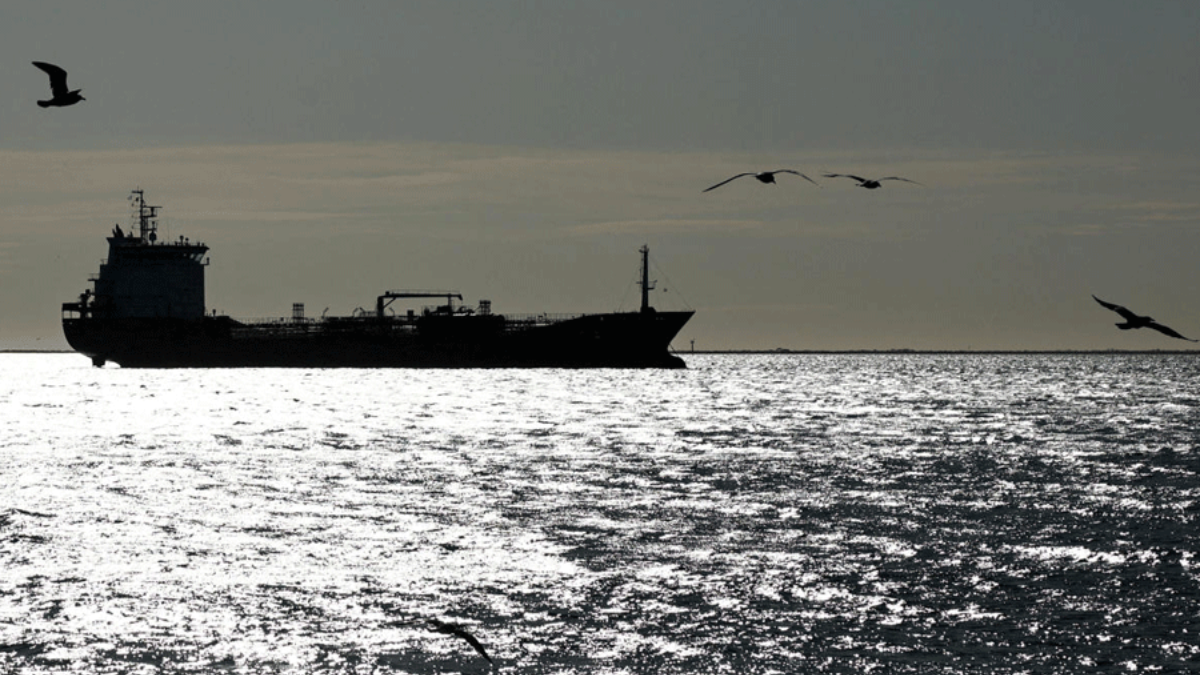


India has received its first shipment of crude oil from Iran in nearly seven years. This marks an important moment in the country’s energy sector. The shipment arrived at Sikka Port, which is a major refining hub for both private and government-owned companies.
The oil was transported by a very large crude carrier operated by the National Iranian Tanker Company. According to ship-tracking data from TankerTrackers, the vessel named Felicity delivered around 2 million barrels of crude oil. This is a significant quantity and shows that the shipment was planned on a large scale.
This development comes after India had stopped importing oil from Iran in May 2019. At that time, stricter sanctions were imposed, forcing India to look for other suppliers. Since then, India has been buying oil from different countries, including those in West Asia, as well as the United States and Russia.
Now, after years of no trade in crude oil between the two countries, this shipment signals a temporary reopening of trade. However, it is not a full return to normal business.
Sanctions Waiver Creates a Limited Opportunity
The reason behind this shipment is a temporary sanctions waiver issued by the United States. This waiver allows limited transactions involving Iranian crude oil that had already been loaded onto tankers before recent tensions increased in the region.
US signals 50% tariff risk for China over Iran arms concerns and suggests oil trade shift
The waiver has been issued by the Office of Foreign Assets Control, which manages and enforces economic and trade sanctions. This special permission is only valid for a short period and is set to expire on April 19. This makes the current situation time-sensitive.
Because of this limited window, only a few shipments are being allowed. Reports from TankerTrackers suggest that a few more million barrels of Iranian oil may arrive in India within the coming days. There are also indications that another tanker carrying Iranian crude is waiting near India’s eastern coast, close to Paradip.
These shipments were originally loaded from Kharg Island before the latest rise in regional tensions. Indian authorities have reportedly given special permission for a small number of such vessels to dock at ports under a one-time exemption.
This means that the current imports are carefully controlled. Companies handling the oil must follow strict rules to stay within the limits set by the sanctions waiver.
Rising Tensions and Pressure on Global Oil Supply
The return of Iranian crude comes at a time when global oil markets are facing serious challenges. Oil prices have gone above $100 per barrel due to supply concerns and rising tensions in West Asia.
Strait of Hormuz sees controlled traffic led by Iran-linked vessels after ceasefire
One of the biggest concerns is the situation around the Strait of Hormuz. This is a very important route through which a large portion of the world’s oil is transported. Any disruption in this area can affect global supply quickly.
Recent developments have increased worries about the safety of oil shipments in the region. There have been reports of possible actions targeting maritime traffic linked to Iranian ports. While shipments going to other destinations are not expected to be directly affected, the situation has already made some tanker operators avoid the area.
This has added pressure on supply chains and increased uncertainty in the market. As a result, countries like India are taking steps to manage their energy needs carefully.
At the same time, the use of older and less transparent tanker networks, sometimes referred to as a “shadow fleet,” has also been linked to Iranian oil shipments. These vessels often operate without standard insurance and have unclear ownership, which adds another layer of complexity to the situation.
Despite the arrival of this shipment, Indian refiners are expected to remain cautious. Any processing of Iranian crude must strictly follow both international sanctions rules and domestic regulations. This limits how much oil can be imported and used during this period.
The current development reflects the strain in global energy markets. It also shows how geopolitical events can directly impact oil supply and trade routes, even after long gaps in business relations.