

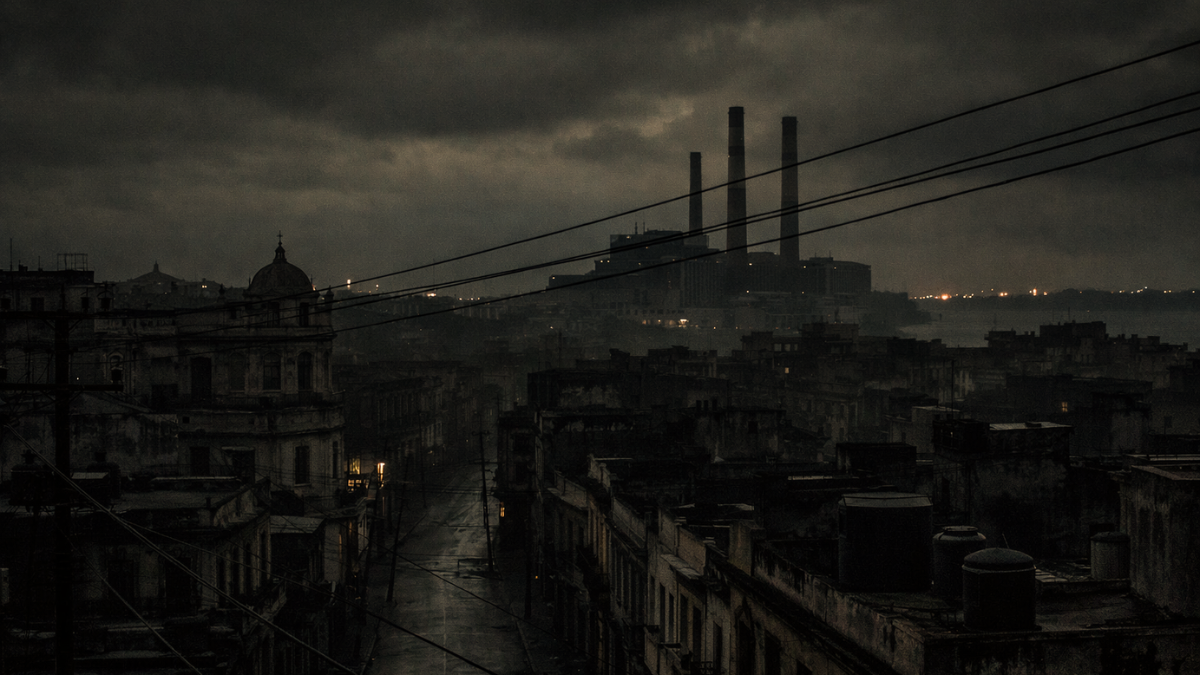


Cuba is facing a serious crisis as large parts of the country experience repeated power outages. A recent collapse of the national power grid left nearly the entire population—around 10 million people—without electricity. These blackouts have been happening for years, but the latest failure has made conditions much worse.
Homes across the island have been left without light, cooling, or safe food storage. Hospitals, schools, and other essential services have also been affected. Daily life has become difficult, and many people are struggling to cope without reliable power. The situation has caused frustration, and protests have been reported in several areas.
The energy crisis is linked to multiple issues. Key power plants are not working properly, including one of the country’s largest thermoelectric facilities. There is also a shortage of fuel needed to keep these plants running. Cuba has long depended on oil imports, especially from a South American ally led by Nicolás Maduro, but those supplies have declined.
Aging infrastructure has added to the problem. Much of the power system is outdated and requires major repairs. Limited resources and investment have made it difficult to fix these issues, leading to the current large-scale breakdown.
China expresses concern over US tariff plans after high-level Paris meeting
Economic Struggles and Political Tensions Rise
Along with power shortages, Cuba is facing a deep economic crisis. There are shortages of food, medicine, and other basic goods. Prices have increased, making it harder for families to afford everyday needs. These challenges have added to public anger and unrest.
The economy has struggled for decades and has relied heavily on support from foreign partners. When that support weakened, economic conditions worsened. With fewer resources and rising costs, many people are now facing serious hardship.
At the same time, political tensions have increased. Marco Rubio said that Cuba’s economic system is not working and described it as unable to support its people. He added that the current leadership does not know how to fix the situation and suggested that new leadership is needed.
Donald Trump also commented on the situation, saying the United States is closely watching developments and may take action soon. His remarks have raised questions about possible next steps. However, during a hearing, Joseph Humire said he was not aware of any plans involving direct action against Cuba.
Cuba’s government has strongly disagreed with these views. Officials say the crisis is mainly caused by long-standing economic restrictions imposed by the United States. These restrictions limit trade and access to resources, making it harder for the country to improve its economy.
US Treasury links polo patrons and Swiss bank to alleged Venezuelan oil corruption network
Debate Over Causes of the Crisis Intensifies
There is a clear divide over what is causing the crisis. U.S. officials argue that the problems come from years of poor management and a system that has failed to develop strong internal support. They say the economy depended too much on outside help and has struggled to function on its own.
Cuban authorities, however, blame external pressure. They argue that sanctions have made it difficult to import fuel, repair infrastructure, and secure essential goods. According to them, these restrictions have worsened the situation significantly.
Human rights voices have also spoken out. Rosa María Payá described the blackouts as a visible sign of deeper systemic problems. She said that many people are refusing to accept current conditions and are expressing their frustration through protests.
The crisis involves energy shortages, economic struggles, and political disagreements happening at the same time. U.S. officials have also described Cuba as a long-standing security concern, noting its regional involvement, including support for leadership in Caracas.
Millions of people in Cuba continue to face power shortages and economic hardship, while the debate over the causes of the crisis remains ongoing.