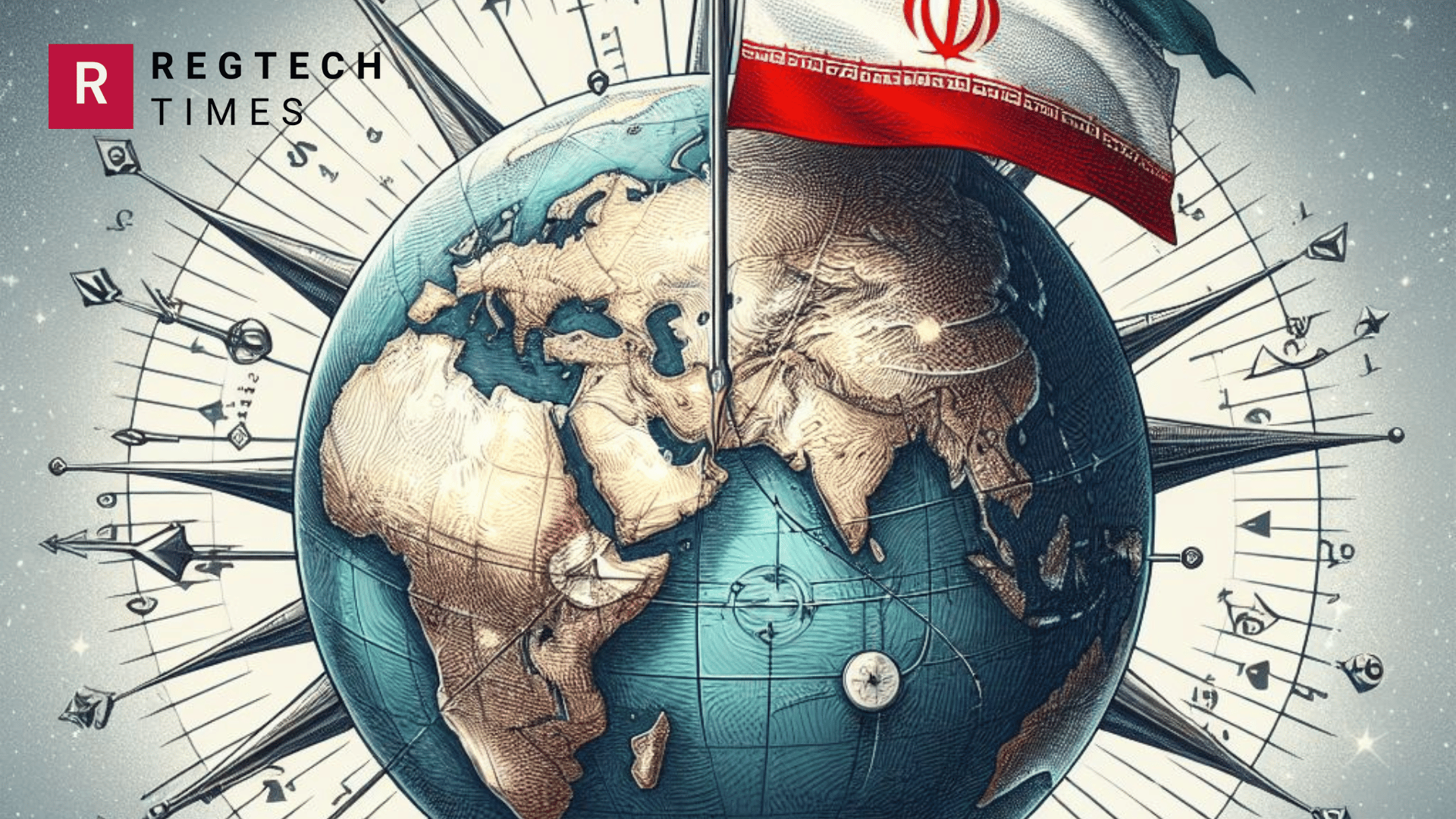
The Axis of Resistance is a strategic framework that brings together various militant groups and state actors aligned with Iran. It serves as a counterbalance to perceived threats from the United States, regional rivals, and primarily Israel. Here are the key components of this axis:
Hamas
Hamas, a Palestinian group, ignited the conflict by attacking Israel on October 7. Hamas is a militant organization that controls the Gaza Strip. It opposes Israel’s existence and has engaged in armed conflict with Israeli forces.
Hezbollah
Hezbollah, meaning “Party of God,” is a powerful Lebanese militant group.
Formed by Iran’s Revolutionary Guards in 1982, Hezbollah aims to fight Israeli forces that invaded Lebanon that year. It operates both as a military force and an influential political player. The group shares Iran’s Shi’ite Islamist ideology and is considered more potent than the Lebanese state.
Hezbollah has been launching near-daily attacks on Israeli targets along the Lebanese-Israeli border since early October. These attacks have led to intense exchanges of fire between the two sides, reminiscent of the 2006 war.
Houthi Movement
The Houthi movement in Yemen is another component of the Axis of Resistance. The Houthis are a Zaidi Shi’ite group that controls parts of Yemen. They have received Iranian support and have been involved in conflicts with Saudi Arabia (a regional rival of Iran) and its allies.
Shi’ite Armed Groups in Iraq
Various Shi’ite armed groups in Iraq contribute to the axis. These groups have close ties to Iran and have played a role in countering the influence of the United States in Iraq. They have targeted U.S. interests and participated in regional conflicts.
Syria
Syria, an ally of Iran, is part of the Axis of Resistance. The Syrian government, led by President Bashar al-Assad, has received significant support from Iran during the Syrian civil war. It has also been involved in conflicts with Israel.
Iran’s Strategy and Deterrence
The Axis of Resistance allows Iran to project power, influence events, and deter potential attacks by Israel or the U.S. This informal alliance helped Iran during the tough times of Sanctions. These groups have been built up over years or decades with Iranian backing, forming a loose coalition committed to resisting Israeli and U.S. influence in the Middle East.
While Iran has not directly engaged in the ongoing Israel-Iran conflict, it supports groups that have. The situation remains volatile, and any escalation could draw Iran further into the conflict.
In summary, the Axis of Resistance represents Iran’s strategic response to regional challenges, and its members play a crucial role in shaping the dynamics of the Israel-Iran conflict. As tensions persist, the actions of these groups continue to impact the broader Middle East landscape
Historical Context of Axis of Resistance
The historical context of the Axis of Resistance is crucial to understanding its origins and significance. Let’s delve into its evolution:
- Iran’s Islamic Revolution (1979): The concept emerged after the Iranian Revolution in 1979 when Ayatollah Ruhollah Khomeini led a successful overthrow of the Shah’s regime. Khomeini’s vision was to establish an Islamic state based on Shi’ite principles, challenging the existing regional order.
- Iran-Iraq War (1980-1988): During the Iran-Iraq War, Saddam Hussein’s Iraq invaded Iran, leading to a brutal conflict. Iran faced international isolation, and its military capabilities were tested. The war reinforced Iran’s determination to resist external aggression.
- Hezbollah’s Emergence (1982): Hezbollah (Party of God) was formed in Lebanon in response to Israel’s invasion of Lebanon in 1982. Iran provided ideological and material support to Hezbollah, which became a potent force in the region.
- Israel’s Role as a Common Adversary: Both Iran and Hezbollah viewed Israel as a common enemy. Israel’s occupation of Palestinian territories and its military actions in Lebanon fueled anti-Israel sentiments.
- Regional Geopolitics: Iran’s growing influence in Iraq, Syria, and Lebanon allowed it to shape regional dynamics. The Axis of Resistance emerged as a strategic alliance against perceived Western and Israeli hegemony.
- Post-9/11 Era: After the 9/11 attacks, the U.S. invaded Afghanistan and Iraq, further destabilizing the region. Iran capitalized on the power vacuum and expanded its influence through proxy groups.
- Syrian Civil War (2011-present): Iran’s support for the Assad regime in Syria solidified its role within the Axis of Resistance. Hezbollah actively fought alongside Syrian forces against rebel groups.
- Yemeni Civil War (2014-present): The Houthi movement, backed by Iran, challenged Saudi Arabia’s influence in Yemen. The Houthis joined the Axis of Resistance, further complicating regional dynamics.
- Ongoing Tensions with Israel: Hezbollah’s clashes with Israel in 2006 and recent border incidents highlight the ongoing conflict. Iran’s support for Palestinian groups continues to strain relations with Israel.
Axis of Resistance evolved from historical events, regional conflicts, and shared anti-Israel sentiments. It represents Iran’s efforts to counter external threats and assert its influence in the Middle East.
Despite tensions, Lebanon has facilitated indirect talks between Hezbollah and Israel through UN intermediaries. These talks aim to prevent escalation along the Lebanese-Israeli border.
Oman has acted as a mediator between Iran and the U.S., fostering dialogue during periods of heightened tensions. There are very few direct channels of communications left now. This Axis of Resistence is playing a critical role in the Israel and Iran war and the Middle East Tensions in 2024.