

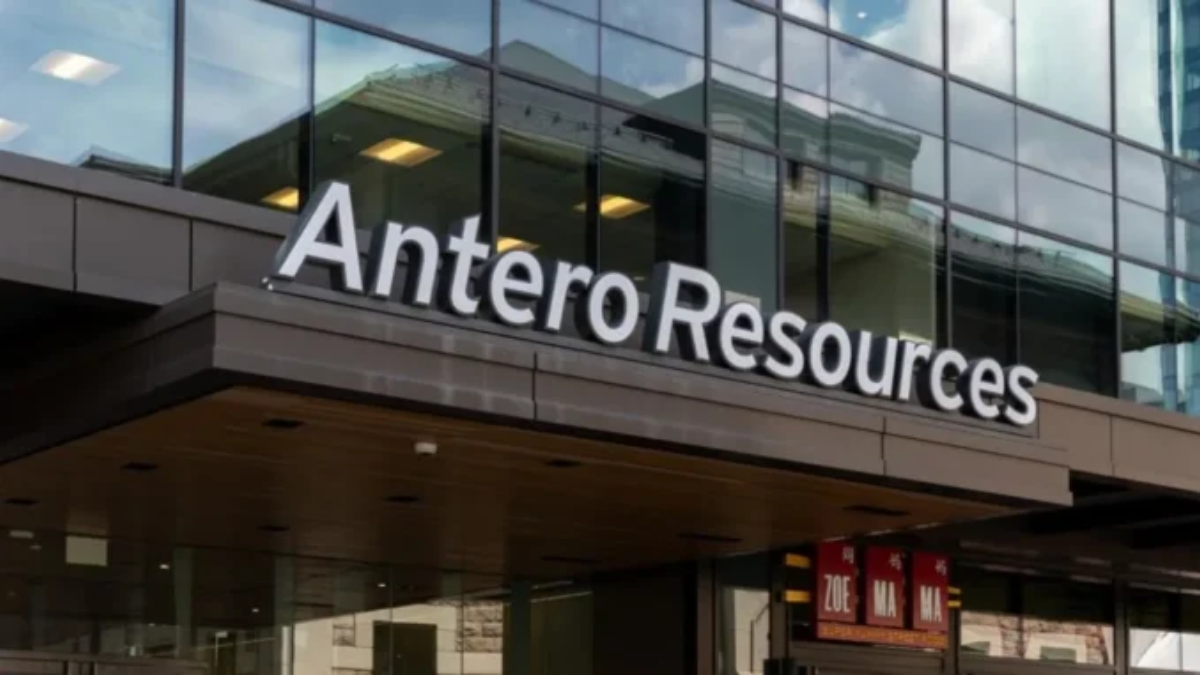


A proposed environmental settlement has been announced involving Antero Resources Corporation, a major oil and gas company operating in West Virginia and Ohio. The agreement addresses alleged violations of air pollution laws and is aimed at reducing harmful emissions that can affect public health and air quality. The settlement was announced by the U.S. Department of Justice and West Virginia’s Department of Environmental Protection.
The case involves Antero’s oil and gas production facilities in both states. Regulators alleged that the company failed to properly capture and control air emissions from certain equipment. Instead of being trapped by pollution control systems, harmful gases were released into the air. These issues were identified during field investigations conducted in 2017 and 2019.
Violations and Health Concerns Identified
The main concern in the case involves volatile organic compounds, commonly known as VOCs. VOCs are gases that can be harmful to people and the environment. They can contribute to smog and ground-level ozone, which can make breathing more difficult, especially for children, older adults, and people with respiratory conditions.
According to regulators, Antero did not always comply with federal and state rules that require oil and gas companies to capture and control these emissions. The violations involved systems meant to control pollution from atmospheric storage tanks. When these systems are not properly designed, operated, or maintained, VOCs can escape directly into the air.
Chicago prosecutors unveil $10 million Medicare fraud scheme with overseas laundering trail
The settlement resolves alleged violations of the federal Clean Air Act and West Virginia air pollution control laws. Rather than continuing litigation, all parties agreed to resolve the matter through a consent decree filed in federal court.
In a public statement, Adam Gustafson said the settlement shows a renewed commitment to fair and balanced enforcement of environmental laws while promoting cleaner air and serving the public interest.
Required Improvements and Emission Reductions
Under the proposed settlement, Antero will carry out compliance projects at 242 oil and gas production facilities located in West Virginia and Ohio. These projects focus on assessing, modifying, and improving vapor control systems that are designed to capture harmful emissions. The total cost of these efforts is estimated at approximately $5.8 million.
Once completed, the projects are expected to reduce VOC emissions by more than 1,100 tons each year. This reduction is intended to significantly lower air pollution levels from Antero’s operations in the region.
A key requirement of the settlement is the use of automated monitoring and response systems. These systems monitor tank pressure and combustion control devices. If a problem is detected, such as excess pressure or an unlit device, the system sends an alert to company staff and temporarily stops related production. Operations resume only after the issue is resolved.
The agreement also requires independent third-party verification to ensure Antero complies with the settlement terms. This added oversight is meant to confirm that pollution control systems are properly maintained and operated over time.
Matthew L. Harvey noted that the settlement reflects cooperation between federal and state authorities and shows how environmental laws can protect residents without placing unnecessary burdens on energy production.
Penalties, Cleanup Projects, and Public Review
As part of the settlement, Antero agreed to pay a $3.8 million civil penalty. The payment will be divided between the federal government and the state of West Virginia. In addition, Antero will carry out two emission reduction projects to address environmental and public health impacts.
The first project involves spending $1.5 million over three years to permanently plug and remediate orphaned and abandoned oil and gas wells in West Virginia. The second project focuses on improving well unloading operations so that gas released during these activities is captured or routed to a control device instead of being vented into the air.
Harold Ward stated that coordinated enforcement between state and federal partners helps reduce harmful emissions and deliver real environmental benefits to residents.
The consent decree has been filed in the U.S. District Court for the Northern District of West Virginia and is subject to a 30-day public comment period. The complaint and proposed settlement are available through official government sources.