
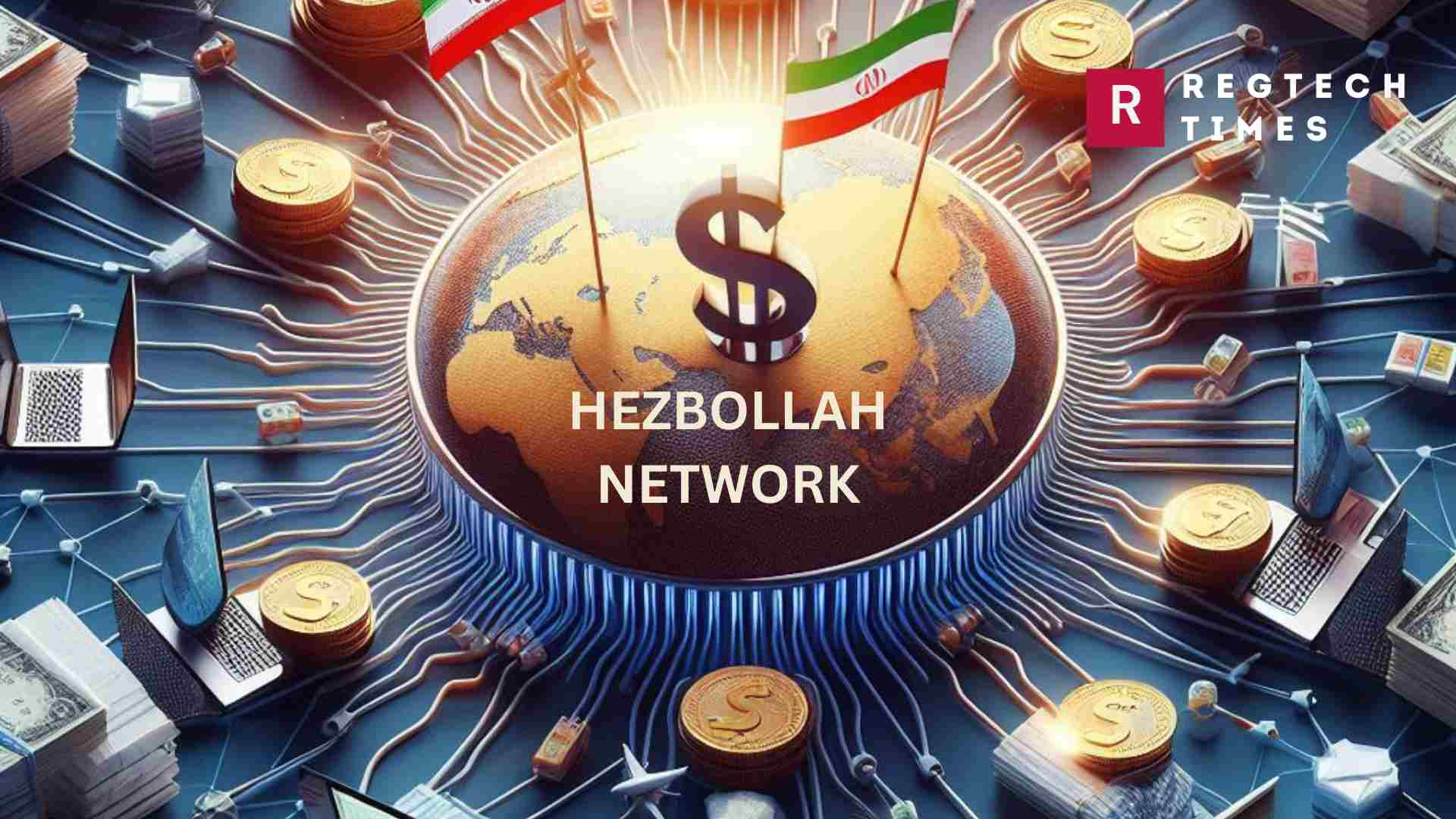


The Iranian-backed militia, commonly known as “Hezbollah,” has been the focus of a recent investigative report by the French weekly Le Point. Titled “Iran, Colombia, Lebanon, France… Hezbollah’s Billions,” the report sheds light on the militia’s extensive network involved in drug trafficking and money laundering across multiple countries.
Le Point Report
The Le Point report reveals that Hezbollah’s drug trafficking operation initially concentrated in Latin America, has now expanded to include money laundering activities in France. According to the investigation, Hezbollah utilizes laundered funds to purchase luxury cars and acquire large quantities of ammonium nitrate, a crucial component in explosives, within France. This expansion underscores Hezbollah’s growing financial resources and military power, along with its increased influence over Lebanon’s struggling government.
Colombia: A Source of Cocaine
Colombia serves as a primary source of cocaine for Hezbollah’s operations, with containers filled with Hezbollah-linked drugs reportedly leaving Colombia for various destinations, including Lebanon, Kuwait, Israel, and the United States. The report highlights the significance of Colombian cocaine as a major funding source for Hezbollah, with the U.S. Treasury Department identifying over 2,000 individuals and companies linked to the militia’s drug trafficking activities.
IRGC and Hezbollah: A Partnership in Crime
The Islamic Revolutionary Guard Corps (IRGC) of Iran plays a central role in directing Hezbollah’s drug trade operations. Together, these two groups have secured control over key smuggling routes, including the Iraq-Iran border, Lebanon, Syria, and the entire corridor from the Mediterranean Sea to Tehran.
Cash Transactions and Economic Collapse
Hezbollah and the IRGC heavily rely on cash transactions within their areas of influence to evade detection. However, this practice has worsened economic crises in Lebanon, Syria, and Iraq.
Read More About Iran Sanctions:
- USA Intensifies Sanctions on Iran Following Unprecedented Attack on Israel
- European Union Imposes New Sanctions on Iran Following Drone and Missile Attack on Israel
- Economics of War: Israel Spends $1 Billion on Countering Drone Attack of Iran
Strengthening Power Through Drugs
The investigative report concludes that drug trafficking serves as a means for Hezbollah and the IRGC to solidify their control not only within their respective regions but also in neighbouring countries.
Reports Prior to Le Point
The Le Point investigation isn’t the first to highlight Hezbollah’s involvement in the drug trade. Previous reports have also underscored the group’s extensive activities:
- Paraguay: A Paraguayan expert confirmed Hezbollah’s significant influence in Latin America, particularly among Lebanese immigrant communities.
- Venezuela: A New York Times investigation in April 2019 exposed Hezbollah’s involvement in money laundering and cocaine production in Venezuela, allegedly with the aid of Nicolás Maduro’s government officials.
- Syria: Another New York Times report detailed the involvement of Syrian regime officials, including President Bashar al-Assad’s brother Maher, in a billion-dollar Captagon (amphetamine) production and trafficking network.
- Jordan: In a January 2023 Reuters article citing intelligence sources, Jordanian airstrikes targeted drug trafficking hideouts associated with the Iranian regime in southern Syria. These actions were prompted by increased drug and weapons smuggling by Hezbollah and other Iranian-affiliated militias near the Jordanian border.