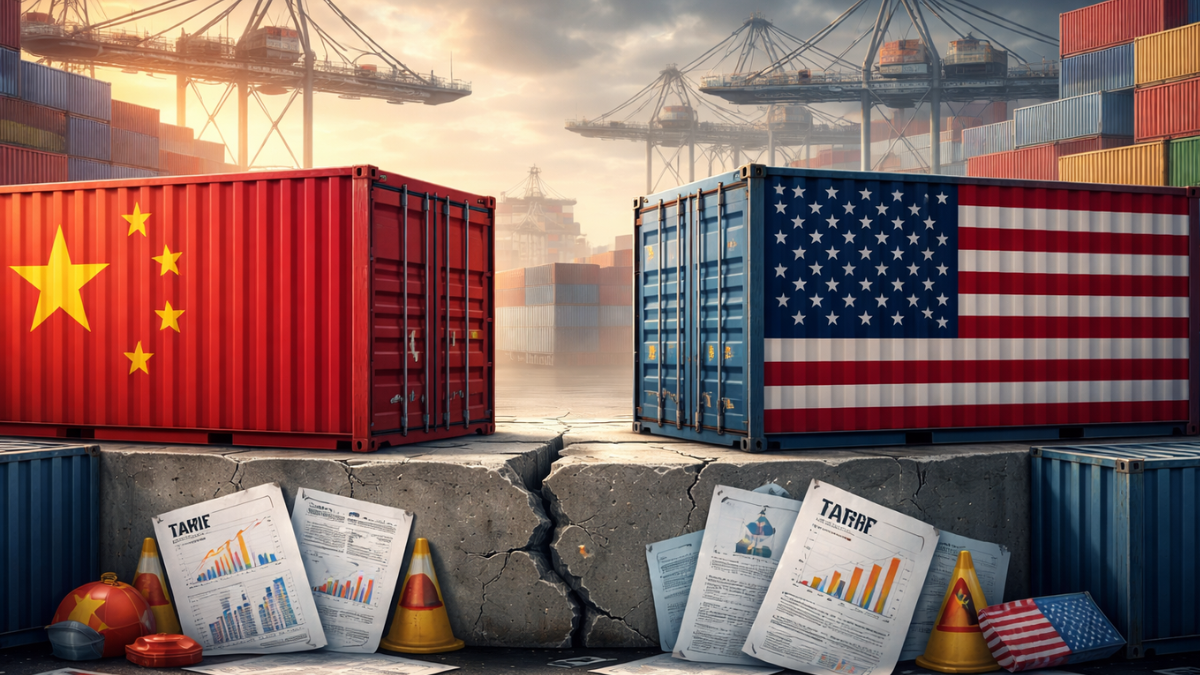
China has opened two major investigations into trade practices by the United States. This move comes shortly after the US, under Donald Trump, announced its own probes into several countries, including China. The decision signals rising tension between the two nations over trade policies.
The Chinese Commerce Ministry said the investigations are meant to protect local industries. Officials also expressed strong opposition to the earlier actions taken by the United States. These steps show that China is prepared to respond firmly when its trade interests are challenged.
One of the new investigations will examine US policies that limit Chinese goods from entering the American market. It will also study restrictions placed on the export of advanced technology from the US to China. These limitations have been a key concern for Chinese industries, especially those working with high-tech products.
The second investigation will focus on barriers affecting Chinese green energy exports. This includes products like solar panels and other clean energy technologies. China believes these barriers are unfair and are harming its ability to compete globally in the green energy sector.
The investigations are expected to take about six months to complete. If needed, they may be extended by another three months. Officials say the process will carefully examine the situation and gather detailed information.
US claims China’s top chipmaker SMIC sent equipment to Iran’s military sector
US Investigations and Trade Measures
The Chinese response follows new investigations launched by the United States earlier this month under the leadership of Donald Trump. These investigations target multiple countries and could lead to stricter trade measures.
One of the US probes focuses on claims that some countries have excess industrial capacity. This means they produce more goods than needed, which can lead to cheaper exports. The investigation also looks at government subsidies that may give foreign companies an unfair advantage over US businesses.
This probe includes 16 trading partners, among them the European Union. If the findings support these claims, the US may introduce higher tariffs on imports from these regions. Tariffs are taxes placed on imported goods, which can make them more expensive.
Another US investigation is focused on forced labor concerns. It examines whether goods imported into the US are made using forced labor practices. If such cases are found, the US could ban those products from entering its market.
These actions came after earlier tariffs introduced during Donald Trump’s administration faced legal challenges. Some of those tariffs were struck down by the US Supreme Court. In response, the US government turned to what are known as Section 301 trade investigations. These allow the country to examine and act against unfair trade practices.
China warns retaliation over Mexico’s tariff hikes affecting $30 billion in exports
Rising Trade Tensions and Ongoing Disputes
The latest actions from both countries are part of a long-running trade dispute. Over the years, both sides have introduced tariffs and restrictions in response to each other’s policies. This has created a cycle of actions and counteractions.
China’s new investigations are seen as a way to push back against possible future tariffs. They may also serve as a tool during ongoing discussions between the two countries.
Recent talks between representatives from both sides took place in Paris. During these discussions, China warned that the US investigations could threaten the stability in economic relations. Both countries had worked hard to maintain a balance, and new trade actions could disrupt that progress.
The talks were also meant to prepare for an upcoming visit by Donald Trump to Beijing. However, the trip has been delayed due to the ongoing war in Iran. This delay adds another layer of uncertainty to the already tense trade situation.
The investigations launched by China mark another step in the ongoing trade conflict. They highlight the growing differences between the two nations over trade rules, market access, and global competition. As both sides continue to take action, the situation remains closely watched around the world.