

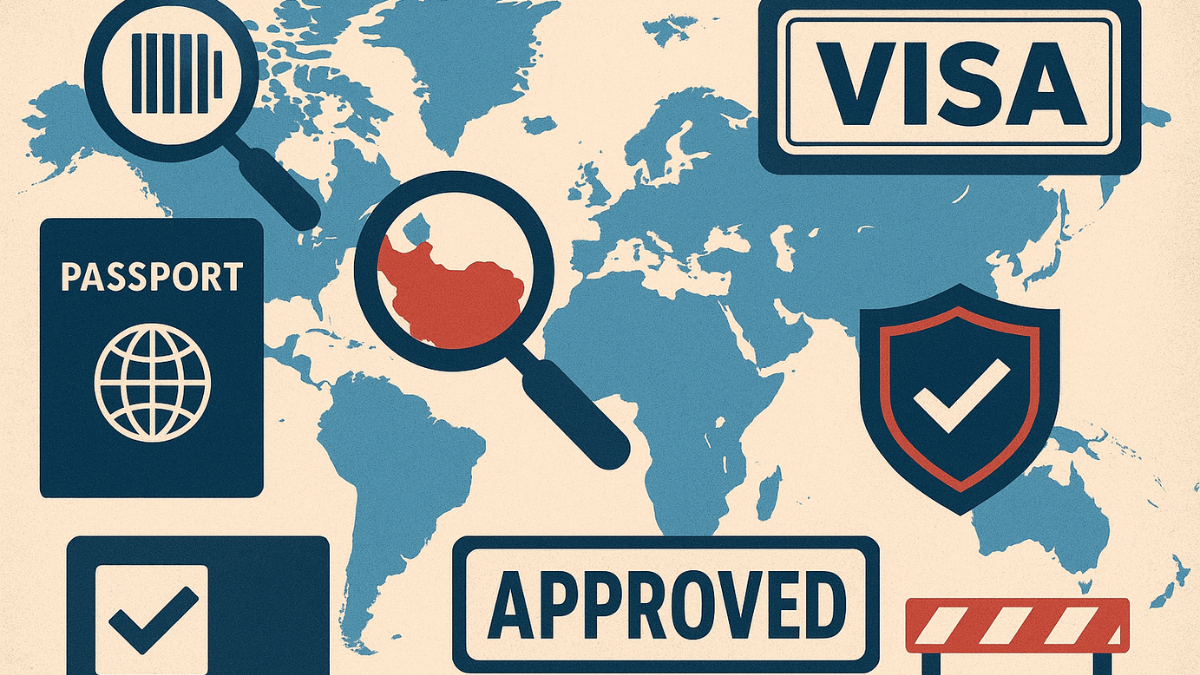


The United States government has announced a major review of Green Cards issued to immigrants from 19 countries. This move comes after a serious security incident near the White House, which has prompted authorities to act quickly to ensure public safety.
Under this new policy, the U.S. Citizenship and Immigration Services (USCIS) will re-examine Green Cards for both people who already hold them and those who are applying. The review aims to identify potential security risks and prevent dangerous individuals from entering or staying in the country.
The affected countries include Iran, Cuba, Venezuela, Somalia, Haiti, Myanmar, Afghanistan, Burundi, Chad, Republic of the Congo, Equatorial Guinea, Eritrea, Laos, Libya, Sierra Leone, Sudan, Togo, Turkmenistan, and Yemen. Immigrants from these nations will face more rigorous checks, which could delay applications or, in some cases, lead to revocation of Green Card status.
What Triggered the Policy Change
The review follows a deadly attack near the White House, an incident that has heightened concerns over national security and the safety of U.S. citizens. In response, the U.S. government has decided to conduct a comprehensive examination of the Green Card process, specifically targeting immigrants from countries considered high-risk.
The primary goal of this review is to ensure that individuals who may pose a threat to national security are accurately identified and carefully evaluated. This process involves a thorough assessment of immigrants’ backgrounds, prior activities, and any recent information that could suggest potential security risks. Authorities aim to prevent misuse of the Green Card system and ensure that only those deemed safe are allowed to remain in the country.
This decision is part of a broader initiative to strengthen border security and safeguard the American public. While the policy introduces stricter vetting measures, it reflects the government’s proactive approach to addressing potential threats from specific immigration flows. Officials emphasize that the measure is preventive, focusing on protecting citizens while maintaining the integrity of the legal immigration process.
Indonesia explodes at U.S. over ‘poison pill’ clause — calls deal a threat to economic freedom
How the Policy Affects Immigrants
Immigrants from the 19 high-risk countries may face long delays in their Green Card applications. Those who already have a Green Card will undergo a full-scale review, which includes detailed background checks and re-examination of their immigration history.
Applicants could be asked for additional documents or further interviews to prove they pose no threat. In extreme cases, the government may even revoke previously approved Green Cards if new concerns arise.
This policy affects people who received Green Cards through asylum or refugee programs as well. Even those who thought their status was secure may now experience uncertainty and longer processing times.
It is important to note that immigrants from India are not affected. Indian nationals can continue their immigration process as usual, without the extra checks and delays that are being applied to the high-risk countries.
Countries Facing Harsh Restrictions
The 19 countries affected by this policy have been labelled high-risk due to security threats, political instability, or past incidents related to terrorism. Immigrants from Afghanistan, Myanmar, Haiti, Sudan, Libya, Venezuela, Iran, and Somalia will face full re-examination of Green Cards, extra background checks, and potential delays.
Immigrants from Cuba, Equatorial Guinea, Eritrea, Laos, Sierra Leone, Togo, Turkmenistan, Chad, Republic of the Congo, Burundi, and Yemen will experience stricter vetting during application, additional documentation requests, and extended waiting periods.
This detailed review is meant to make the immigration system safer and more secure. USCIS will carefully examine each case to ensure that only eligible and low-risk individuals are allowed to stay in the United States.
The policy is already affecting the processing times for Green Cards from these nations. Many immigrants and applicants may now experience slower approvals and more complex procedures.